Table of Contents
Introduction
In today’s hyper-connected world, IoT systems (Internet of Things) power everything from smart homes and connected cars to large-scale industrial networks. With billions of devices constantly communicating, managing issues, errors, and service requests becomes a massive challenge. This is where AI for Ticket Management in IoT Systems steps in.
Artificial Intelligence can automate the creation, classification, and resolution of tickets in IoT environments, ensuring smooth operations and reducing human workload. Instead of waiting for technicians to manually identify and solve problems, AI-powered ticket management makes IoT systems smarter, faster, and more reliable.

What is Ticket Management in IoT Systems?
Ticket management refers to the process of creating, assigning, tracking, and resolving tickets whenever an issue occurs in an IoT ecosystem. For example:
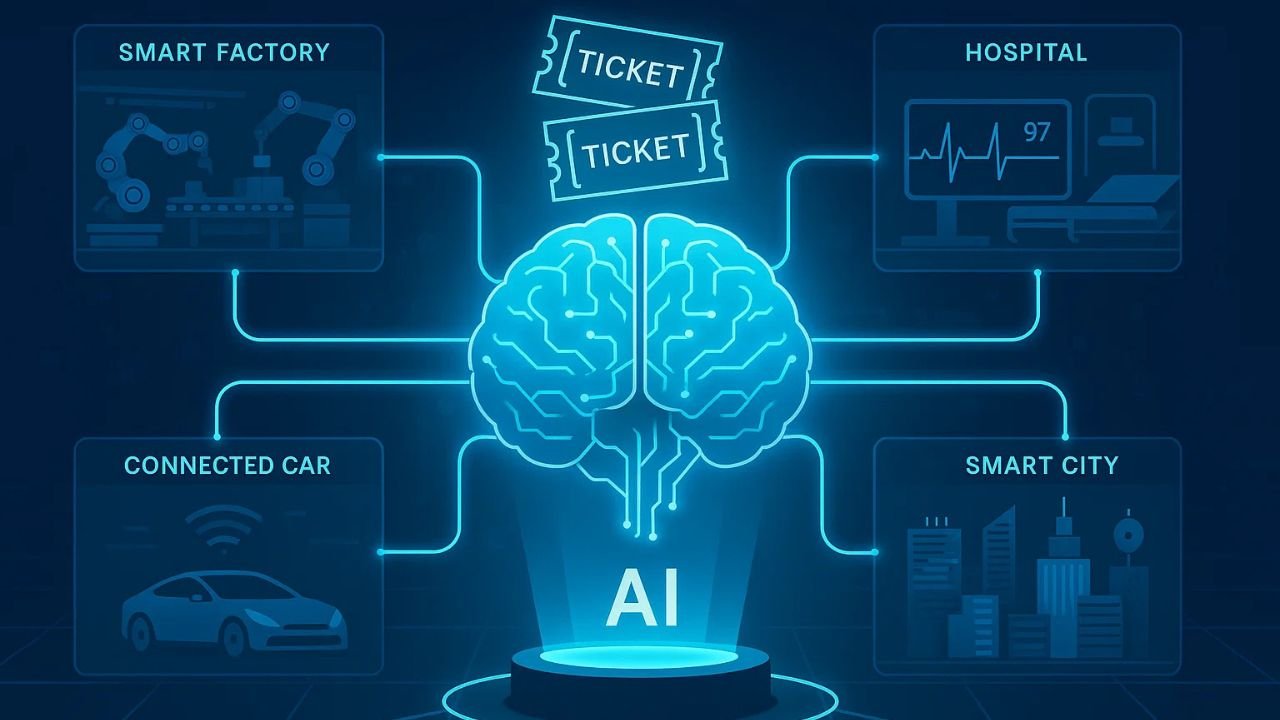
- If a smart sensor in a factory fails, the IoT system can raise a support ticket.
- If a connected car’s GPS system stops updating, a ticket can be automatically generated.
- If a hospital IoT device reports unusual readings, the system raises a ticket for urgent attention.
Traditional ticket management is often manual and time-consuming. But with AI integration, the process becomes automatic, intelligent, and predictive.
Role of AI in Ticket Management for IoT Systems
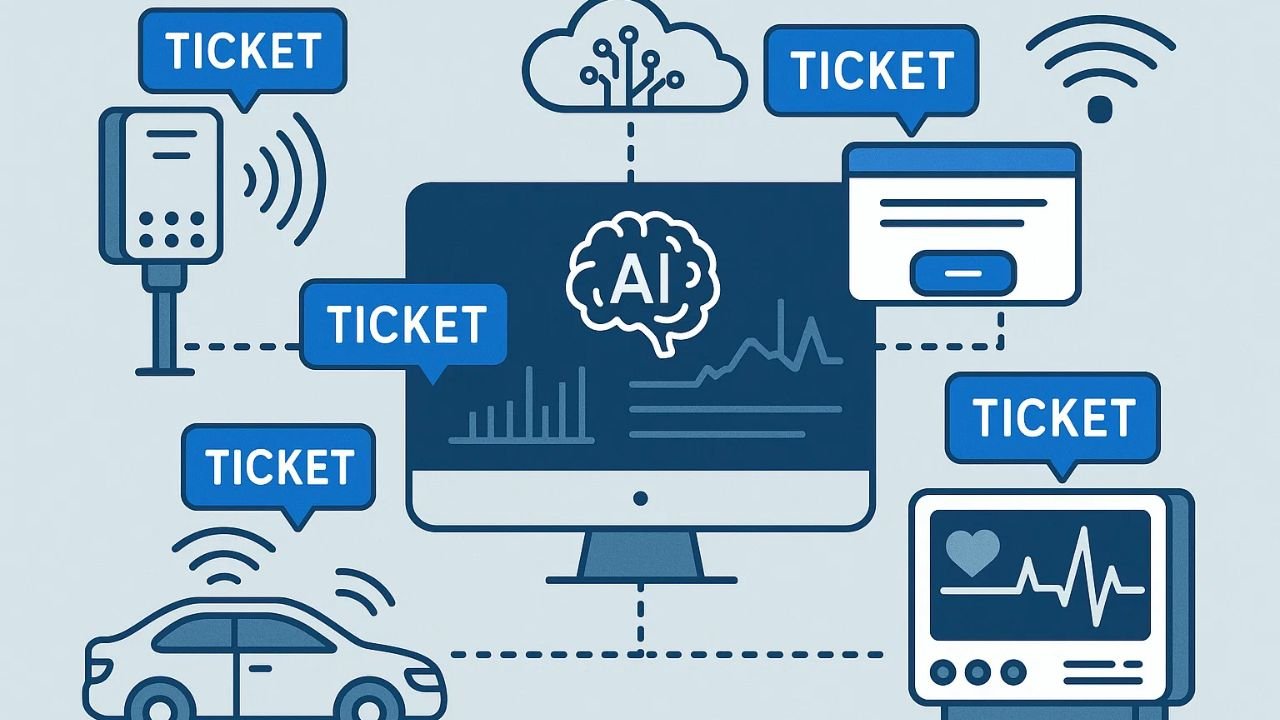
AI for Ticket Management in IoT Systems goes beyond basic automation. It uses machine learning, natural language processing (NLP), and predictive analytics to make ticketing smarter. Some key roles include:
- Automatic Ticket Creation – AI detects anomalies in IoT devices and raises tickets instantly.
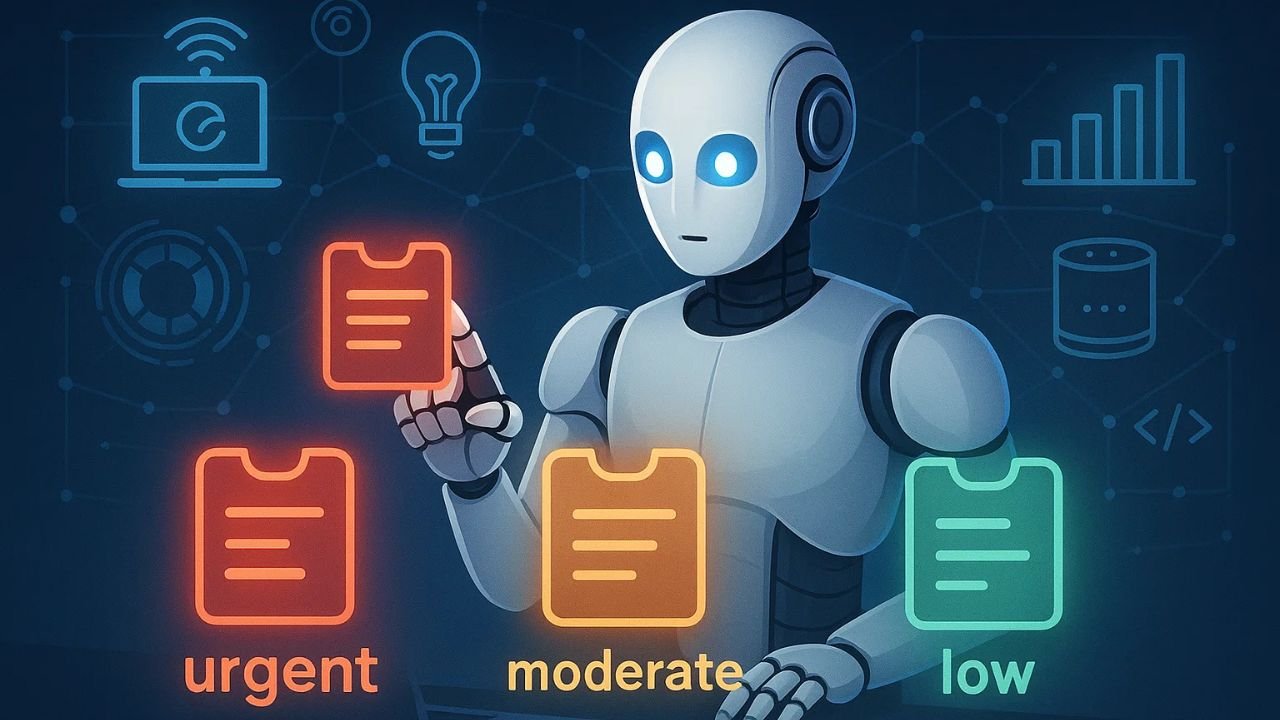
- Ticket Classification – AI categorizes tickets (critical, moderate, or minor) based on urgency.
- Predictive Ticketing – Instead of waiting for failures, AI predicts device breakdowns and creates proactive tickets.
- Ticket Routing – AI assigns tickets to the right support team or automated workflow.
- Automated Resolution – In some cases, AI can solve the problem itself without human intervention.
How AI for Ticket Management Works in IoT Systems
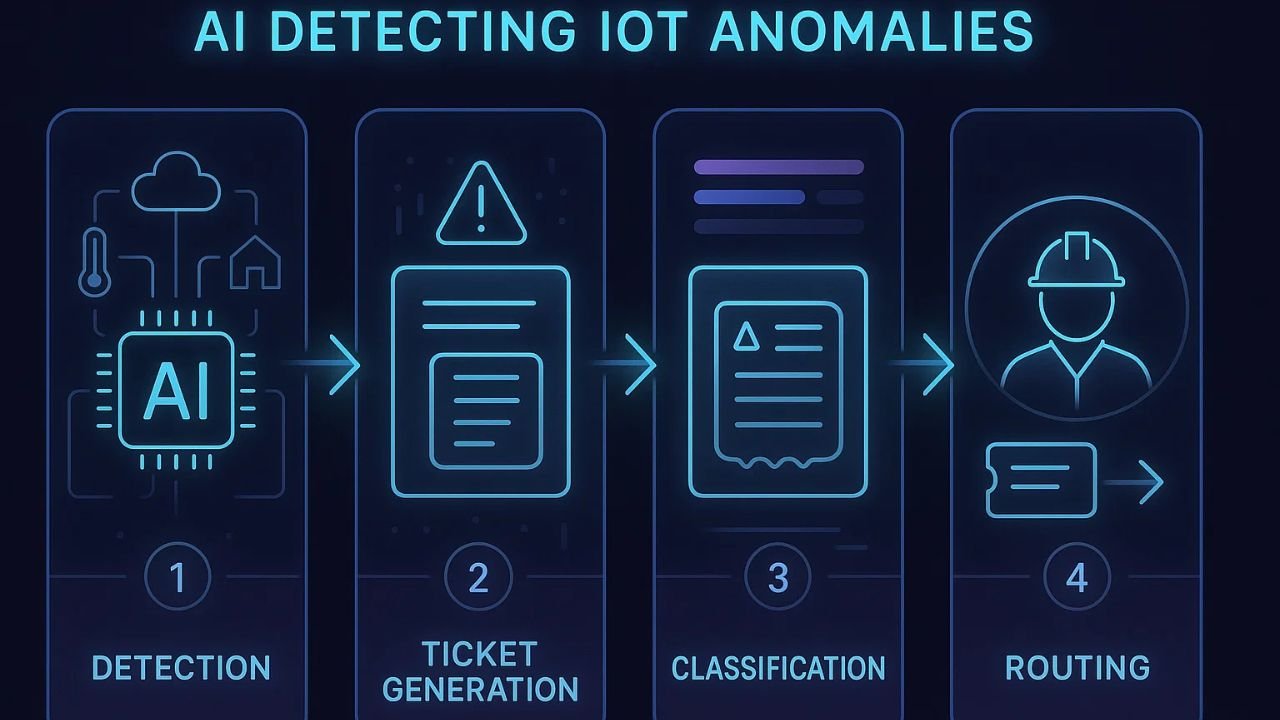
The process can be understood in simple steps:
- Data Collection – IoT sensors and devices send continuous data.
- AI Monitoring – Artificial Intelligence algorithms monitor this data in real time.
- Anomaly Detection – When an error, abnormal activity, or breakdown is detected, AI flags it.
- Ticket Creation – AI generates a ticket in the system, including issue details and severity.
- Classification & Prioritization – The ticket is automatically categorized (urgent vs. normal).
- Resolution or Escalation – AI either resolves the issue directly or sends it to the right technician.
Benefits of AI for Ticket Management in IoT Systems
1. Faster Problem Resolution
Instead of waiting for humans to notice issues, AI-driven ticketing systems detect and resolve problems instantly.
2. Reduced Human Effort
AI eliminates repetitive manual tasks, allowing IT teams to focus on critical challenges.
3. Cost Efficiency
By solving issues faster and preventing downtime, businesses save money on maintenance and operations.
4. Proactive Maintenance
AI predicts future failures and creates tickets before devices actually stop working.
5. Improved Accuracy
No more lost or misclassified tickets. AI ensures tickets are routed correctly and handled efficiently.
6. Scalability
As IoT networks grow, AI ticket management systems can handle millions of devices without extra human staff.

Real-Life Examples of AI Ticket Management in IoT Systems
Smart Manufacturing
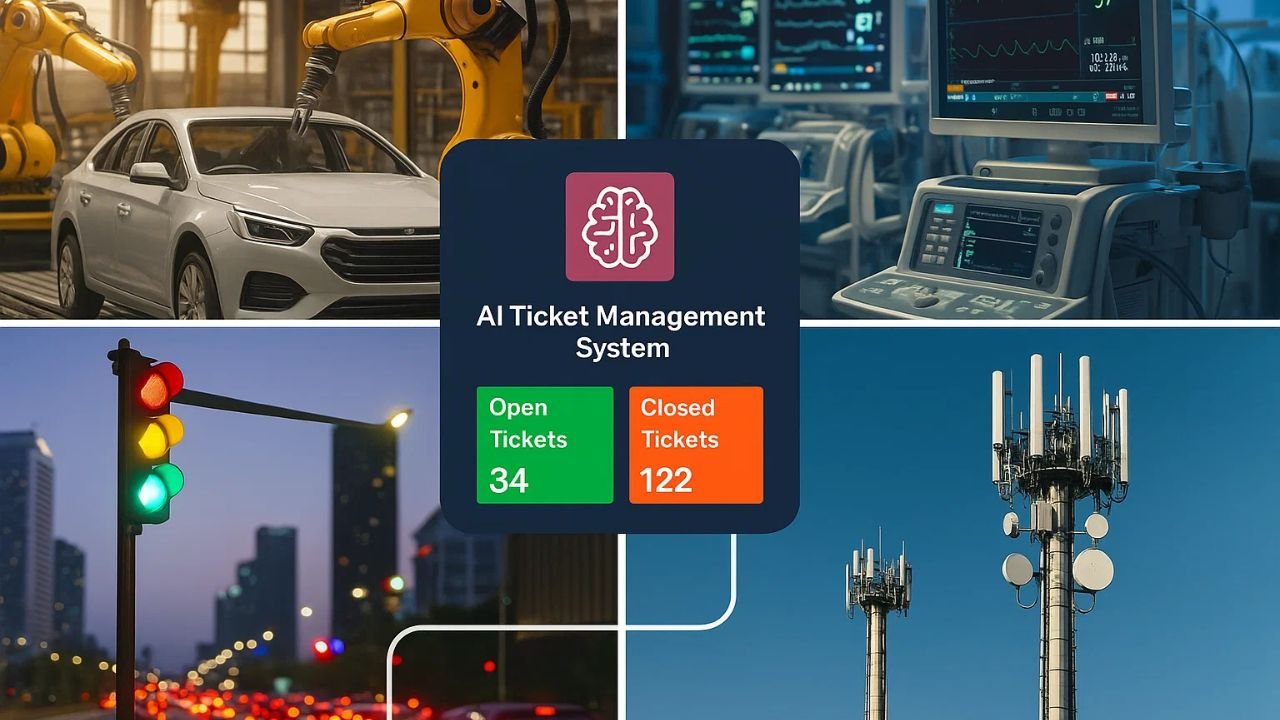
Factories using IoT sensors face frequent equipment failures. AI ticket management ensures every issue is logged and resolved before production halts.
Healthcare IoT
Hospitals use connected devices like patient monitors. If readings go out of range, AI raises an urgent ticket to alert doctors immediately.
Smart Cities
IoT-powered traffic lights and energy systems can automatically report malfunctions. AI-driven ticketing helps city authorities respond quickly.
Telecom Industry
IoT-enabled telecom towers face connectivity issues. AI ticket systems create and prioritize fault tickets without human intervention.
Challenges in AI for Ticket Management in IoT Systems
While powerful, AI-driven ticketing faces some challenges:
- Data Overload – IoT systems generate huge amounts of data, making it hard for AI to filter relevant issues.
- Integration Issues – Connecting AI ticketing tools with legacy IoT systems can be difficult.
- Cost of Implementation – Setting up AI-based systems requires investment.
- Security Concerns – AI handling sensitive IoT data must ensure privacy and protection.
- Human-AI Collaboration – AI can’t replace human decision-making entirely; balance is needed.

Future of AI in Ticket Management for IoT Systems
The future looks promising, as AI and IoT technologies continue to merge. Some upcoming trends include:
- Self-Healing IoT Devices – Devices will not only raise tickets but also fix themselves automatically.
- Voice-Based Ticket Systems – Using AI assistants (like Alexa for IoT) to log and resolve issues.
- Blockchain for Ticket Security – Adding transparency and security to IoT ticketing.
- AI-Powered Analytics – Deep learning will help predict issues weeks before they occur.

Conclusion
The integration of AI for Ticket Management in IoT Systems is transforming industries by making issue resolution faster, smarter, and more reliable. From healthcare and manufacturing to smart cities and telecom, AI ensures that IoT devices remain functional with minimal human intervention.
By automating ticket creation, classification, and resolution, AI not only reduces downtime but also brings cost efficiency and scalability. Although challenges remain, the future of AI-powered ticket management in IoT is bright, promising a world where devices can monitor, report, and even repair themselves.
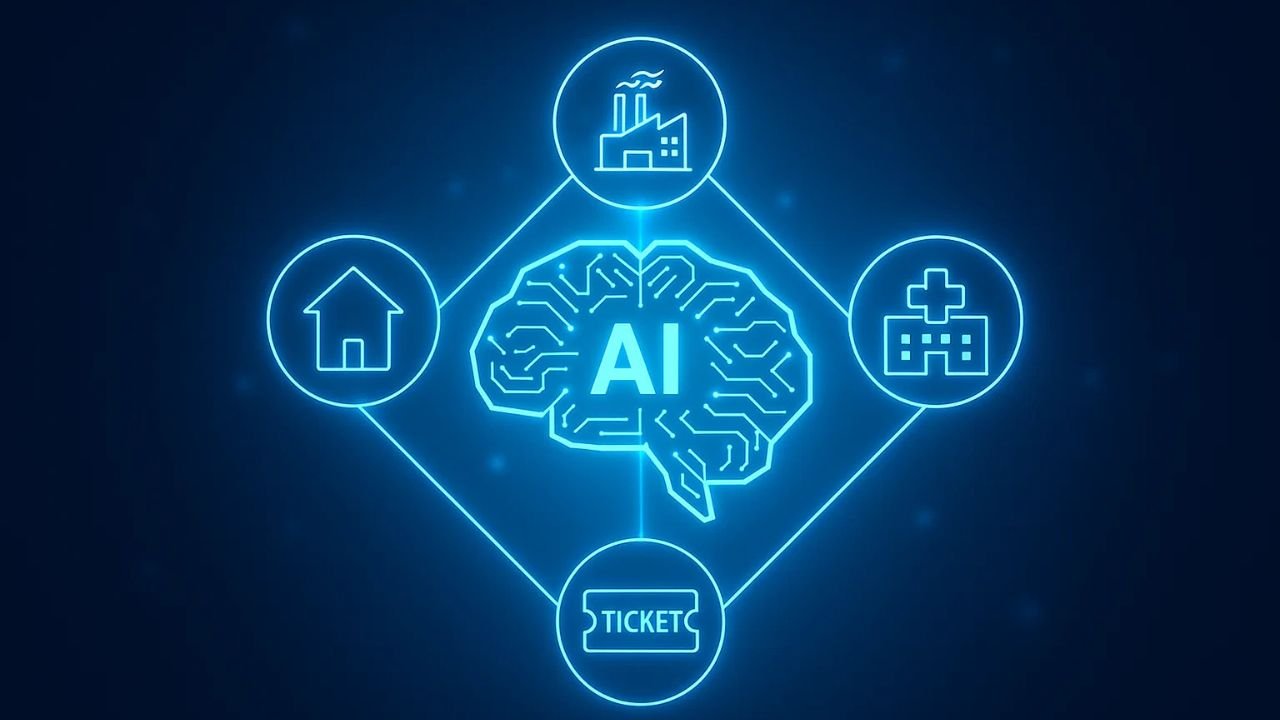
As highlighted in a recent article titled “IoT Artificial Intelligence: Is This The Future?” on Global Mirror Official, the concept of “artificial intelligence tickets” refers to the automation of issue detection, categorization, and resolution within IoT environments Global Mirror Official. This aligns closely with the core premise of AI-driven ticket management in IoT systems, where AI not only flags anomalies but intelligently raises, routes, and resolves tickets—effectively optimizing operational workflows and minimizing human intervention.
