Table of Contents
Introduction
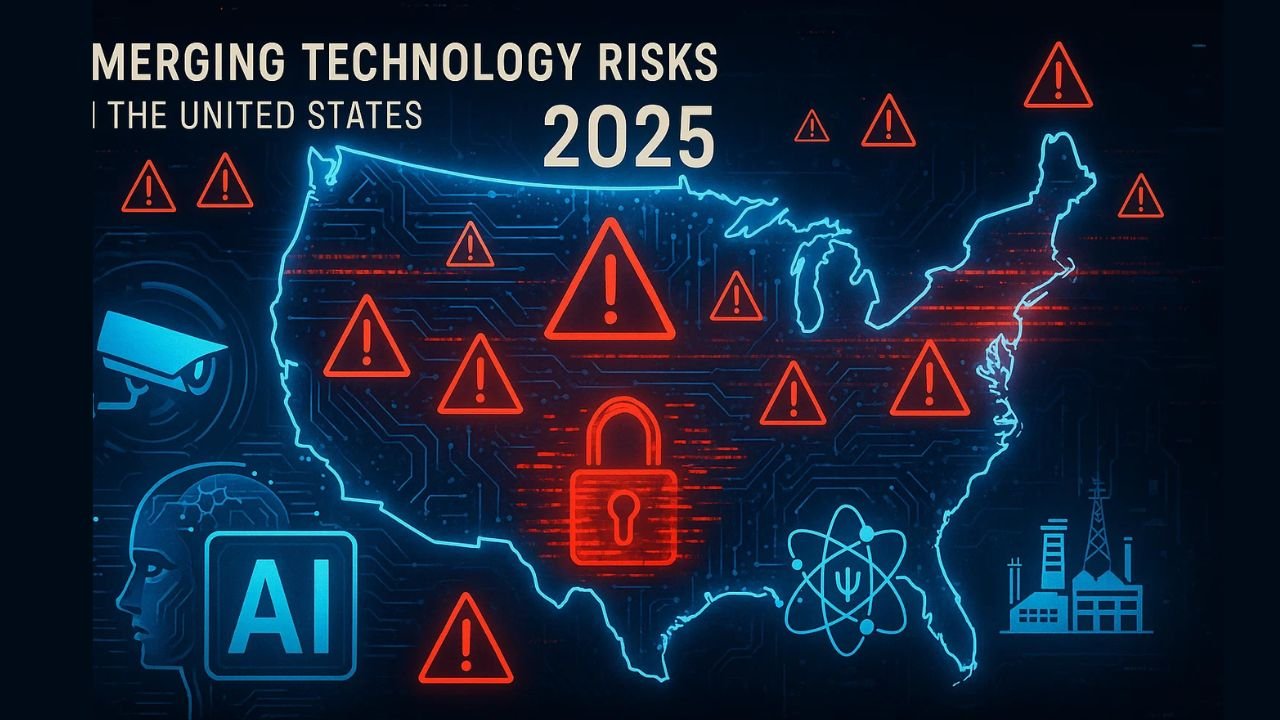
Emerging Tech Risks in the US in 2025 ; Technology continues to shape modern life in the United States, providing convenience, connectivity, and opportunities like never before. However, with every advancement, new risks emerge that threaten privacy, security, and even critical infrastructure. In 2025, Americans face a complex landscape of tech-related risks beyond the overhyped AI concerns, including cybercrime, smart device vulnerabilities, data breaches, and infrastructure attacks. Understanding these threats is essential for individuals, organizations, and policymakers alike.
According to a recent Pew Research study, 72% of Americans are concerned about data breaches or digital security threats, signaling a growing awareness but also highlighting the urgency to stay prepared.
1. Cybersecurity Threats Beyond AI
While AI often dominates headlines, many of the most pressing tech risks in the US stem from traditional cybersecurity vulnerabilities. These include:
- Ransomware Attacks: Hospitals, universities, and businesses continue to be targeted by ransomware, encrypting vital data and demanding hefty payments.
- Phishing & Social Engineering: Hackers craft increasingly sophisticated emails, texts, and social media messages to steal credentials or financial data.
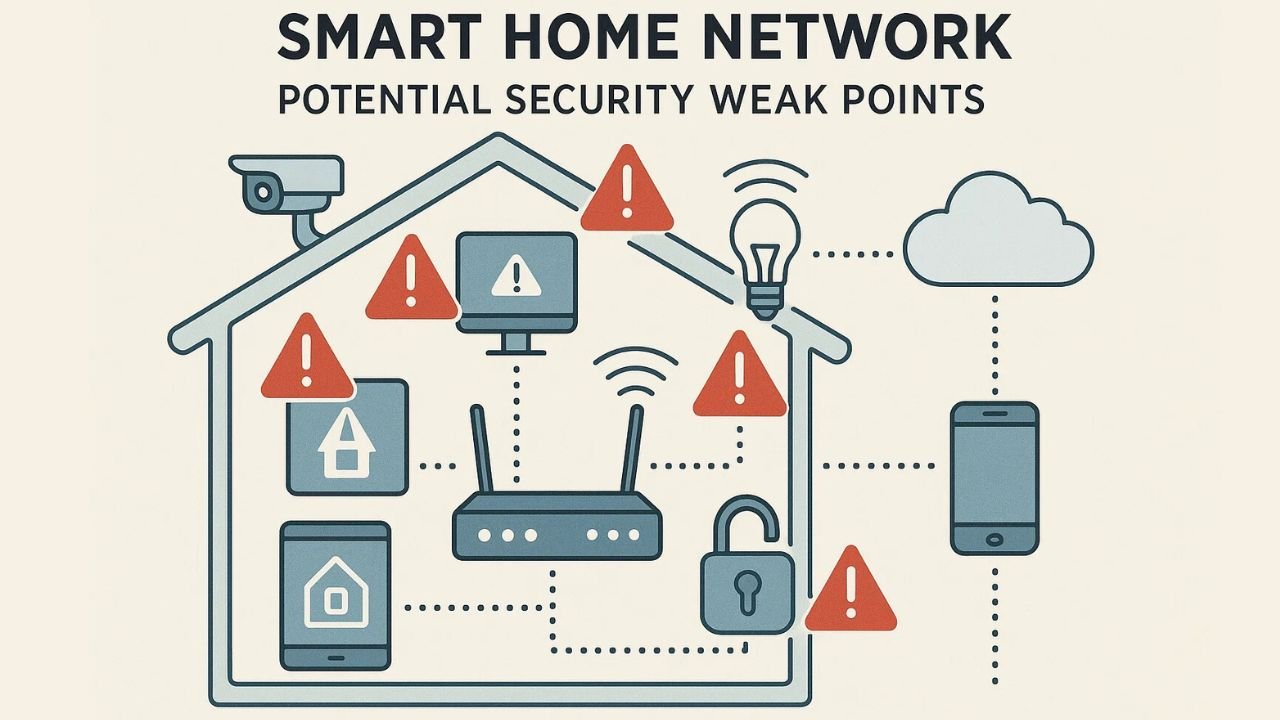
- IoT Exploits: Internet of Things (IoT) devices such as smart home systems, cameras, and appliances are frequently exploited as weak points in network security.
Example: In 2024, multiple US healthcare networks faced ransomware attacks that temporarily halted hospital operations. The FBI and CISA issued warnings highlighting the need for enhanced cybersecurity protocols.
Internal Link : IoT Artificial Intelligence: Is This The Future?
External Link : FBI Cyber Crime Reports | CISA Alerts
2. IoT Devices and Smart Homes (Emerging Tech Risks in the US in 2025)
The proliferation of smart devices has created both convenience and risk. From thermostats to video doorbells, IoT devices collect a wealth of personal data, often without strong security measures.
Key Risks:
- Default passwords and weak authentication make devices easy targets.
- Unencrypted data transmissions expose sensitive information.
- Compromised devices can be used in botnets to launch attacks.
Tips for Readers:
- Use unique, strong passwords for all devices.
- Enable two-factor authentication where possible.
- Regularly update device firmware.
- Limit unnecessary device permissions and data collection.
3. 5G and Emerging Wireless Threats
The ongoing 5G rollout across the US introduces new possibilities but also potential vulnerabilities:
- Signal Interception & Spoofing: While rare, attackers could exploit weaknesses in 5G networks to intercept communications.
- Targeted Malware: New malware designed to exploit 5G-enabled devices may emerge, especially in high-density urban areas.
- IoT Integration Risks: Many IoT devices will rely on 5G networks, creating a broader attack surface.
External Source: FCC 5G security overview
Internal Link: 5G rollout in the US
4. Data Privacy and Digital Surveillance
Americans increasingly face threats from both corporate and governmental surveillance. Apps, social media platforms, and connected devices track location, habits, and preferences, often beyond what users realize.
Recent Trends:
- Data leaks from third-party apps exposing sensitive user information.
- Companies monetizing user data without consent.
- Government surveillance programs under legal and ethical scrutiny.
Tips for Protection:
- Use a VPN for secure internet browsing.
- Regularly review privacy settings on apps and devices.
- Avoid sharing unnecessary personal information online.
- Consider encrypted messaging platforms.
External Links:
5. Emerging Tech Threats in Critical Infrastructure
Beyond personal tech, critical US infrastructure is increasingly reliant on technology — and increasingly vulnerable:
- Power Grids: Smart grids improve efficiency but are susceptible to cyberattacks.
- Healthcare Systems: Hospitals face risks of ransomware and network intrusions.
- Transportation Networks: Public transport, traffic management, and even aviation systems are digitized, creating potential targets.
- Water & Waste Management: IoT sensors manage water distribution, exposing new vulnerabilities.
Even a minor breach in these sectors could disrupt millions of Americans, emphasizing the need for robust security protocols.
External Link: Department of Homeland Security Cybersecurity Alerts
6. Mitigation and Preparedness Tips
Here’s how US citizens and organizations can proactively reduce emerging tech risks:
- Keep all software, firmware, and operating systems updated.
- Enable multi-factor authentication across accounts.
- Regularly backup critical data offline.
- Educate family, employees, or students about phishing and scams.
- Limit unnecessary data collection by apps and smart devices.
- Monitor news and official alerts on emerging threats.
7. Conclusion & Key Takeaways
Emerging technology offers immense benefits but brings risks that cannot be ignored. Americans in 2025 face challenges ranging from cyberattacks and IoT vulnerabilities to data privacy and critical infrastructure threats. Staying informed, practicing good security habits, and following official guidance are essential steps toward safety in an increasingly digital world.
Key Takeaways:
- Tech risks are real but manageable with awareness.
- IoT, 5G, and digital surveillance require cautious use.
- Critical infrastructure attacks could impact daily life — stay prepared.
- Continuous education and proactive measures protect individuals and communities.
Stay updated on emerging tech risks with Global Mirror Official your source for indepth analysis and practical insights.
