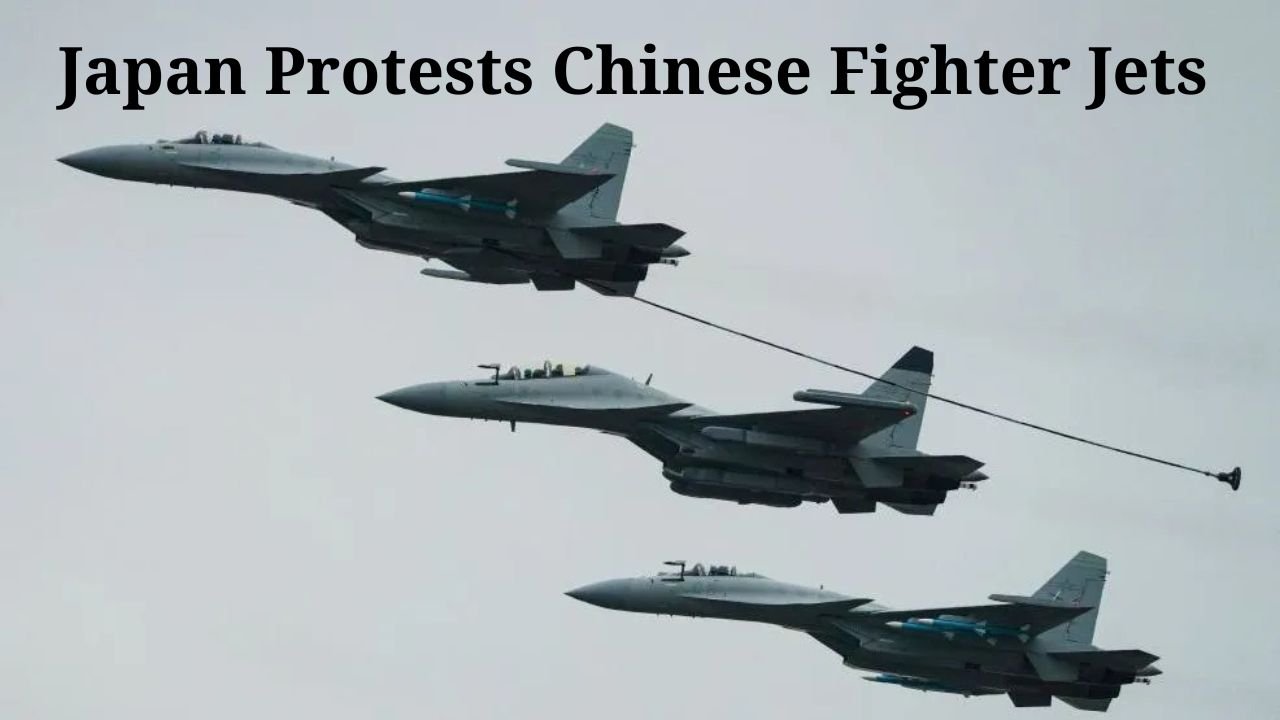
Tensions Rise in East China Sea as Tokyo Issues Strong Warning
Table of Contents
A major diplomatic tension erupted in East Asia this week after Tokyo filed a strong protest, claiming that Chinese fighter jets locked their fire-control radar on Japanese aircraft. The incident has triggered fresh concerns about rising military risks in the East China Sea, an already sensitive region.
According to Japan’s Ministry of Defense, the encounter took place over the East China Sea where Japanese Air Self-Defense Force (JASDF) planes were conducting routine surveillance. During this mission, Chinese fighter jets allegedly engaged their targeting radar an action Japan says is extremely dangerous and unacceptable.
This triggered immediate backlash, leading to the headline: Japan protests Chinese fighter jets amid growing regional instability.
Why Japan Called It a Serious Threat
Japan explained that locking fire control radar on an aircraft is considered a hostile and provocative act in military terms.
Such radar is typically used right before launching a weapon.
Tokyo warned that these actions could lead to accidental military clashes, especially in an area where both nations frequently patrol.
Japanese officials said this is not the first time China has taken such steps. However, the latest event has been described as the “most serious” incident in recent months.
This is why the phrase Japan protests Chinese fighter jets is making global headlines.
China Rejects Japan’s Accusation
China responded quickly and denied Japan’s claim. Beijing said its pilots acted professionally and within their rights. Chinese military officials accused Japan of “spreading misinformation” and “escalating regional tensions.”
China maintains that the East China Sea including areas around the disputed Senkaku/Diaoyu Islands is part of its territory, while Japan says the islands are under its sovereign control.
Because of this territorial dispute, the phrase Japan protests Chinese fighter jets reflects a broader struggle for power in the region.
A Growing Military Standoff
The incident adds to increasing friction between the two Asian powers, especially as both nations boost their military presence in the region.
- Japan has expanded defense cooperation with the U.S., UK, and regional allies.
- China continues to grow its air and naval operations.
- U.S. forces are closely monitoring the situation.
Security analysts say the radar lock encounter could mark a new phase of military competition in East Asia.
Why the East China Sea Is So Sensitive
The East China Sea is one of the tighest military hotspots in the world:
- Disputed islands (Senkaku/Diaoyu)
- Military patrols from both sides
- Busy trade routes
- Presence of U.S. forces
Any small mistake could trigger a major crisis. This is why Japan reacted strongly and why global news outlets are reporting “Japan protests Chinese fighter jets” with serious concern.
What Happens Next?
Japan has demanded China take measures to prevent such dangerous actions, while also warning that Japan will continue to defend its airspace.
Diplomatic tensions may rise further if more such incidents occur.
Regional observers say Japan and China must establish stronger communication channels to avoid accidental conflict.
For now, one thing is clear:
The headline “Japan protests Chinese fighter jets after radar lock incident” has become a new flashpoint in Asia’s already tense security environment.
For more details, read the original report on BBC:
BBC–Japan protests after Chinese fighter jets lock radar on Japanese planes
