
Table of Contents
Introduction
Gingerbread houses are more than just sweet treats; they are a symbol of festive creativity and cultural tradition. From their medieval origins in Europe to the elaborate modern designs that break records, gingerbread houses have captured hearts around the world. This article explores the history, evolution, and fascinating facts behind these iconic edible creations.
History of Gingerbread Houses
The tradition of gingerbread dates back centuries, with origins traced to medieval Europe. Ginger, spices, and honey were used to make durable dough that could be shaped and decorated. Initially, gingerbread was made as flat cookies or religious symbols for festivals and fairs.
The concept of building houses from gingerbread became popular in Germany during the 16th century. German folklore and fairy tales, most notably Hansel and Gretel, helped popularize the idea of edible houses, blending storytelling with culinary art.
History of Gingerbread Shaping
Early gingerbread makers were skilled artisans who created intricate shapes for religious and social events. They crafted figurines, animals, and miniature houses. Over time, cookie molds were developed, allowing more detailed designs and consistent shapes.
By the 17th and 18th centuries, gingerbread shaping became a craft, with fairs and markets showcasing beautifully decorated gingerbread creations. These shaped treats were often hung on Christmas trees or displayed as festive decorations.

Modern Times
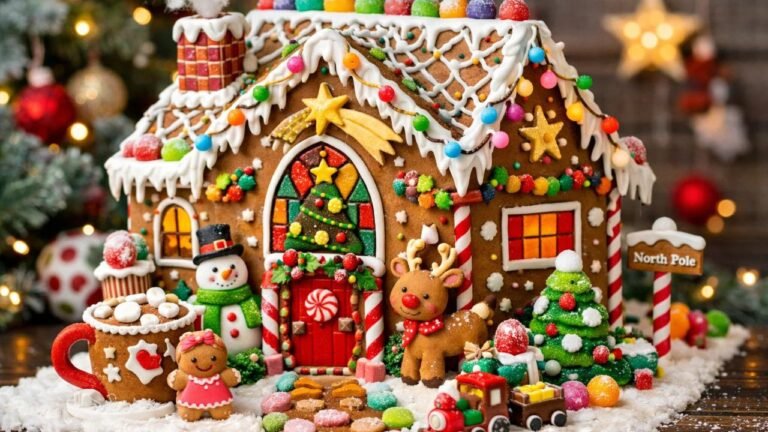
Today, gingerbread houses are a beloved holiday tradition worldwide. Families and professionals alike decorate houses using icing, candy, chocolate, and even edible glitter. Modern designs range from classic cottages to elaborate architectural replicas of famous landmarks.
Baking competitions, workshops, and community events celebrate this festive art form. The focus has shifted from simple cookies to creative, artistic expression, making gingerbread houses a seasonal centerpiece in homes, schools, and hotels.
Guinness World Records
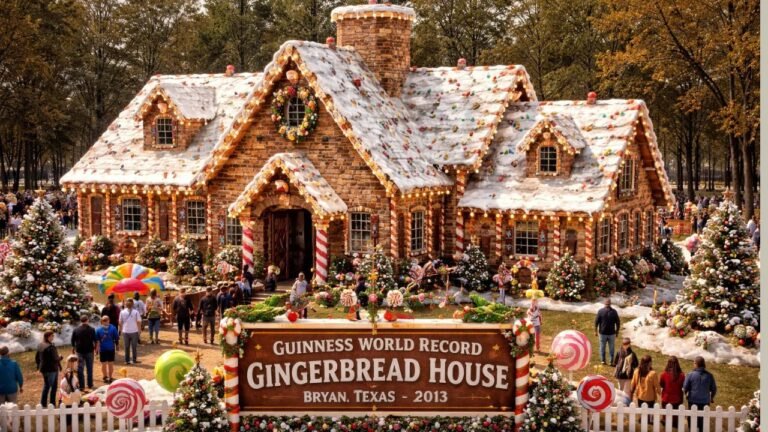
The world of gingerbread houses has also entered the record books. Some notable records include:
- Largest gingerbread house: Constructed in Texas, USA, measuring over 21 feet high and 35 feet wide.
- Most decorated gingerbread house: Featuring millions of candies, intricate icing, and elaborate designs.
- Tallest gingerbread structure: Built in Germany with a height exceeding 30 feet.
These records showcase the creativity, engineering, and dedication behind modern gingerbread architecture.
External Links:
Conclusion
From medieval Europe to modern festive spectacles, gingerbread houses have evolved from simple treats to cultural icons. They reflect a blend of history, storytelling, art, and community celebration. Each gingerbread house tells a story, reminding us of the joy, imagination, and warmth that comes with the holiday season.
