Table of Contents
Introduction
first rocket to Mars and when did it go?
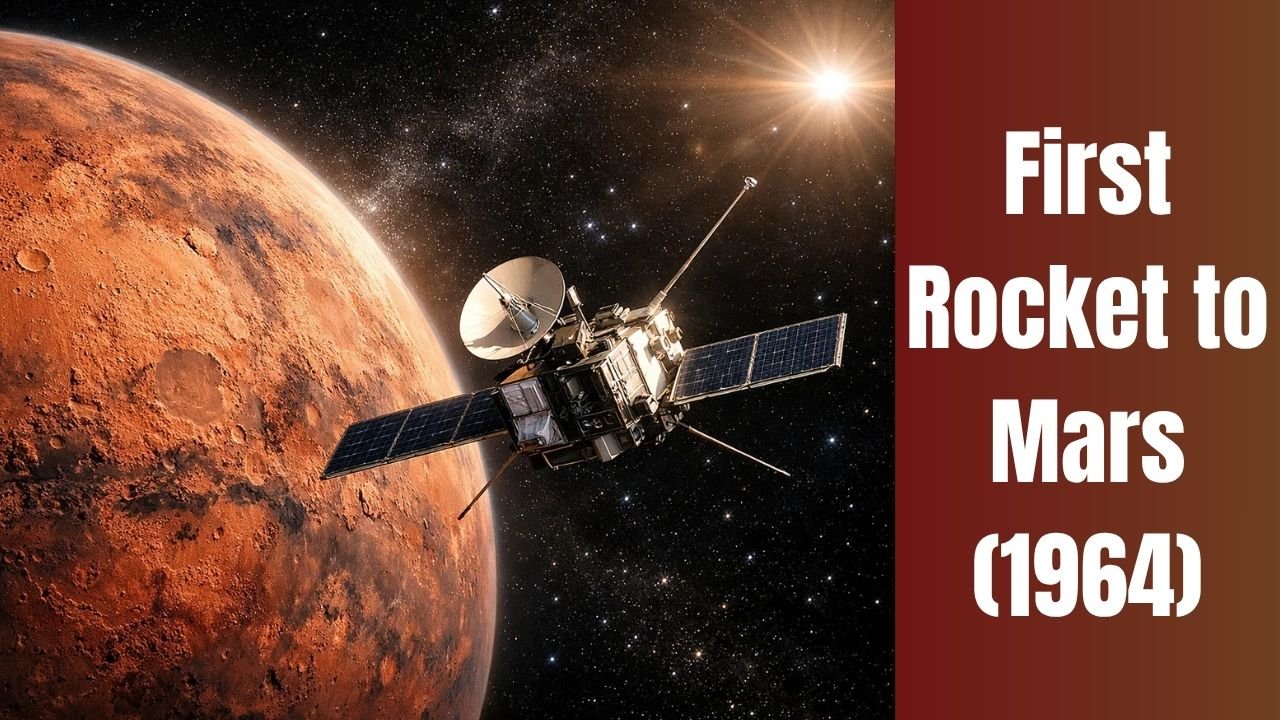
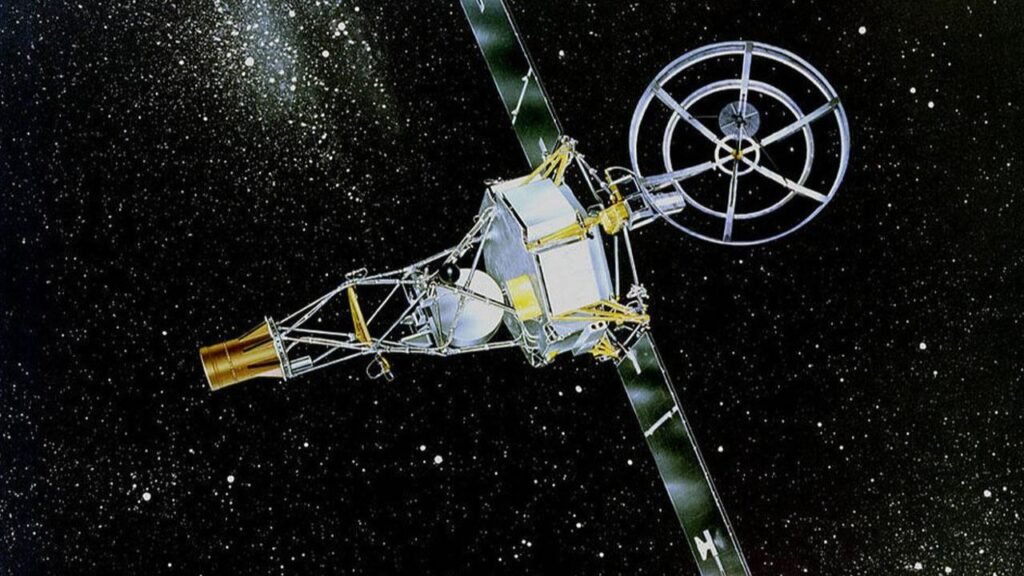
The answer is Mariner 4, launched by NASA in 1964. It was the first rocket to Mars that successfully reached the planet and sent back real images. This mission changed human understanding of Mars forever.
In this article, you will learn complete details about the first rocket to Mars.
What Is Mars?
Mars is known as the Red Planet because of its reddish color. It is the fourth planet from the Sun. Scientists believe Mars may have had water in the past.
Before the first rocket to Mars, people only guessed what Mars looked like. Some even believed there might be life there.
Early Missions Before the First Rocket to Mars
Before the success of Mariner 4, many missions failed.
Soviet Union Attempts
- Mars 1
- Mars 2M
These missions could not reach Mars successfully. So, the world was still waiting for the first rocket to Mars to succeed.
First Rocket to Mars – Mariner 4
Launch Details
- Launch Date: November 28, 1964
- Country: USA (NASA)
- Rocket: Atlas-Agena
Mariner 4 became the first rocket to Mars that completed a successful mission.
Technology of the First Rocket to Mars
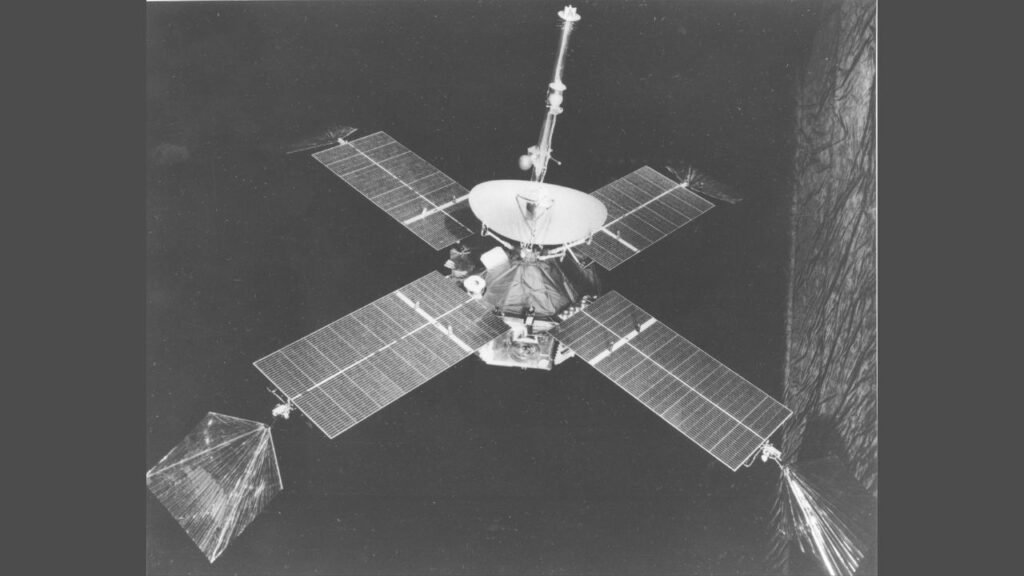
The first rocket to Mars was very simple compared to today’s spacecraft.
Features:
- Weight: 260 kg
- Power: Solar panels
- Camera: Black & white
- Communication: Radio signals
Even with limited technology, the first rocket to Mars achieved something amazing.
Journey of the First Rocket to Mars
After launch, the first rocket to Mars traveled for about 7.5 months.
Distance
- Around 228 million kilometers
Scientists carefully controlled the path of the first rocket to Mars to make sure it reached the correct location.
First Flyby of Mars
Date
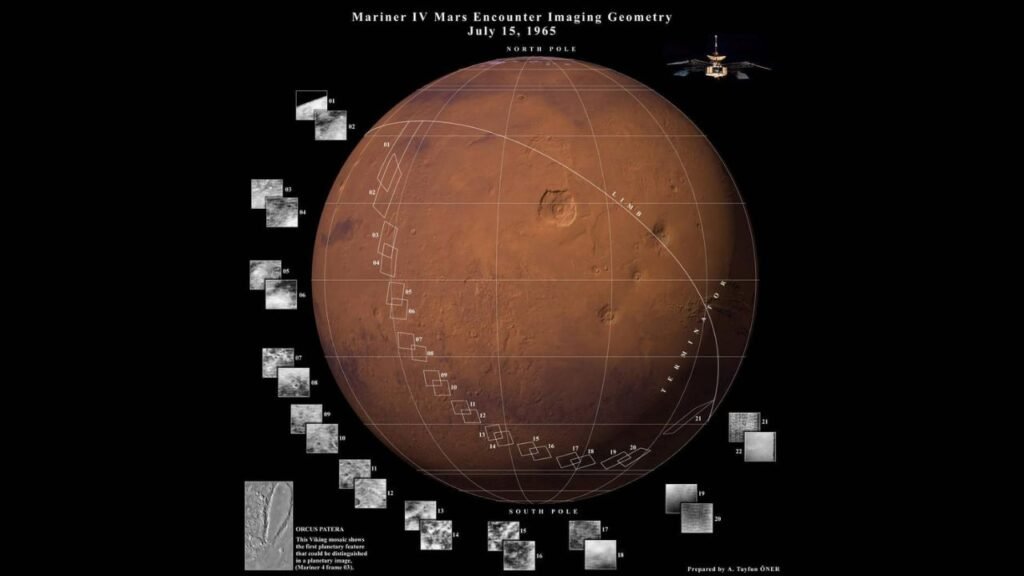
- July 14, 1965
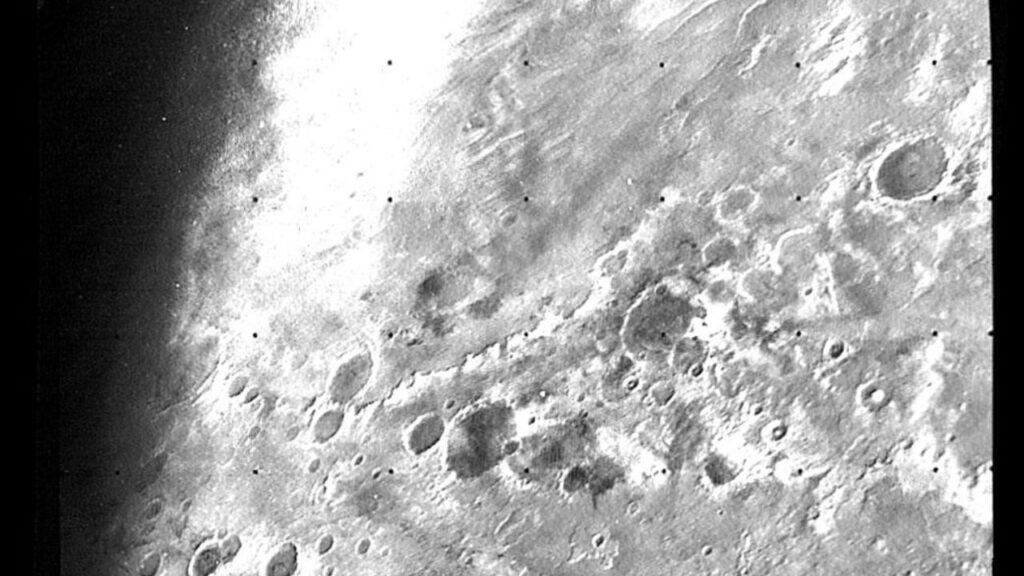
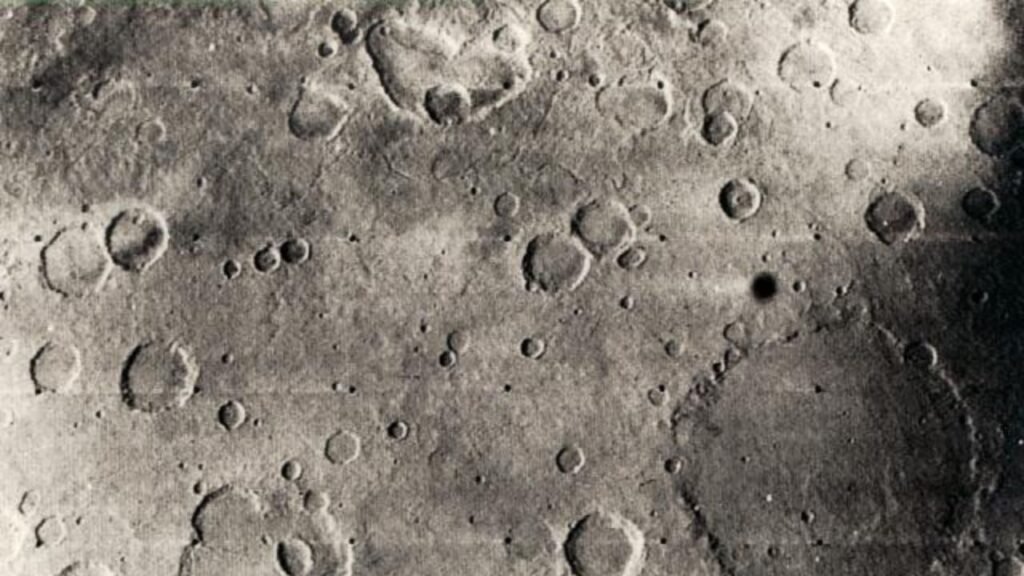
The first rocket to Mars flew close to the planet and took 21 pictures.
Discoveries
- Surface full of craters
- No rivers or canals
- Thin atmosphere
This was shocking because people expected Mars to be more like Earth. The first rocket to Mars proved that Mars is dry and cold.
First Images from Mars
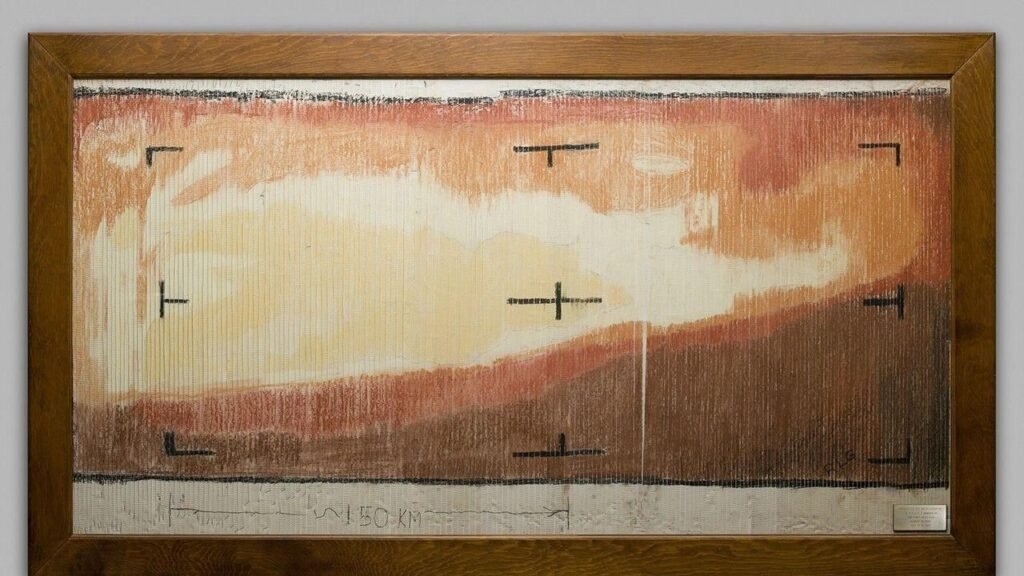
The images sent by the first rocket to Mars were:
- Black and white
- Low quality
- Very slow to receive
Fun fact: Scientists had to color the images by hand to understand them!
Importance of the First Rocket to Mars
The first rocket to Mars changed history.
Key Impacts:
- Gave real images of Mars
- Ended myths about life on Mars
- Helped future missions
- Started Mars exploration
Without the first rocket to Mars, modern missions would not be possible.
Challenges Faced
The mission faced many problems:
- Weak communication signals
- Long distance
- Limited technology
- Space radiation
Still, the first rocket to Mars completed its mission successfully.
Missions After the First Rocket to Mars
After this success, many missions followed:
- Mariner 6 & 7
- Viking missions
- Modern Mars rovers
All these missions were inspired by the success of the first rocket to Mars.
Then vs Now
| Feature | First Rocket to Mars | Modern Missions |
|---|---|---|
| Camera | Black & white | HD color |
| Speed | Slow data | Fast transmission |
| Mission | Flyby | Landing & rovers |
| Control | Basic | AI-based |
Technology has improved a lot since the first rocket to Mars.
Interesting Facts
The first rocket to Mars sent only 21 images Each image took hours to send It continued working even after passing Mars It proved Mars is not like Earth
Why Mars Exploration Continues
Scientists still study Mars because:
- It may have had life
- Humans may go there in the future
- It helps understand planets
The journey started with the first rocket to Mars and continues today.
Conclusion
In conclusion, the first rocket to Mars was Mariner 4, launched in 1964. It was a historic mission that gave humans their first real look at Mars.
Even though it had simple technology, the first rocket to Mars changed science forever. Today’s advanced missions are built on the success of that first step into Mars exploration.
Trusted Sources & Further Reading
- Learn more about the first Mars mission from NASA
- Explore Mars details on NASA Solar System:
- Read latest Mars news on BBC
- Visit BBC Science section
