Table of Contents
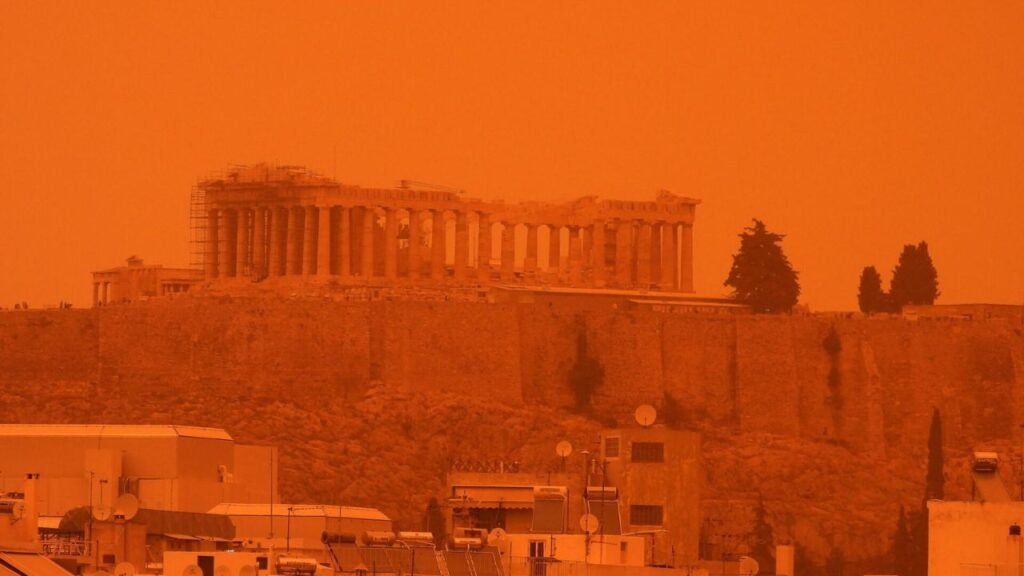
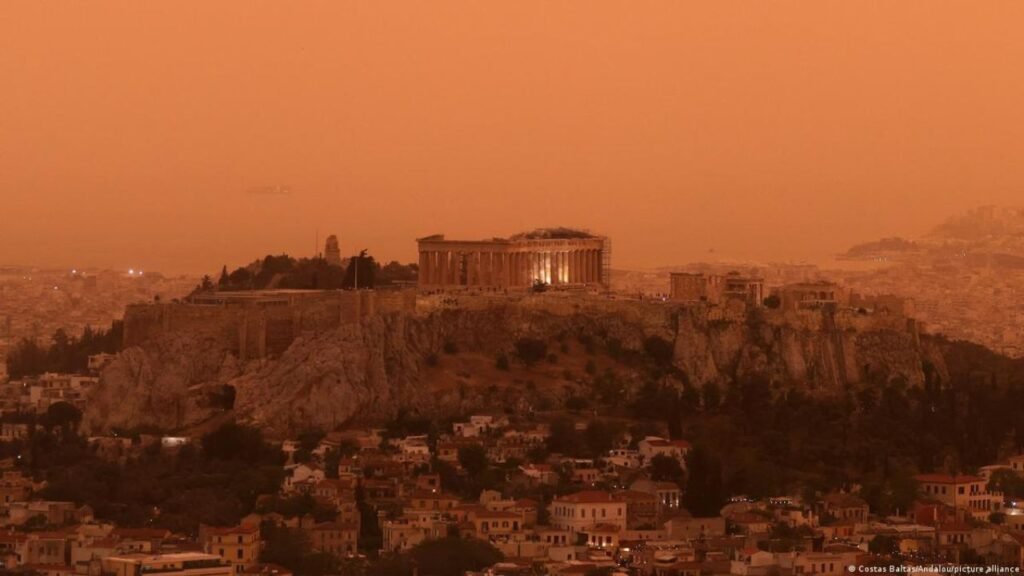
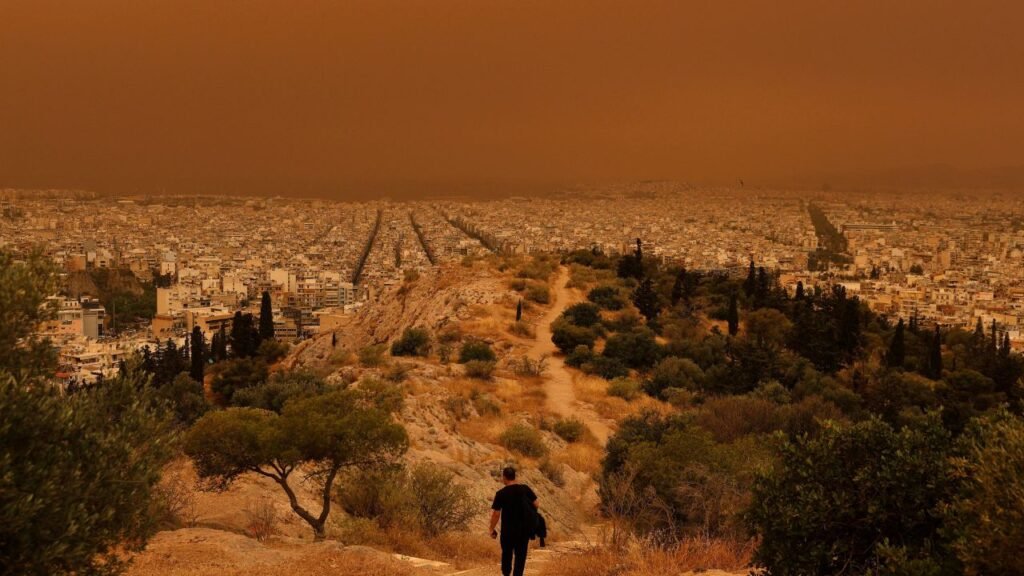
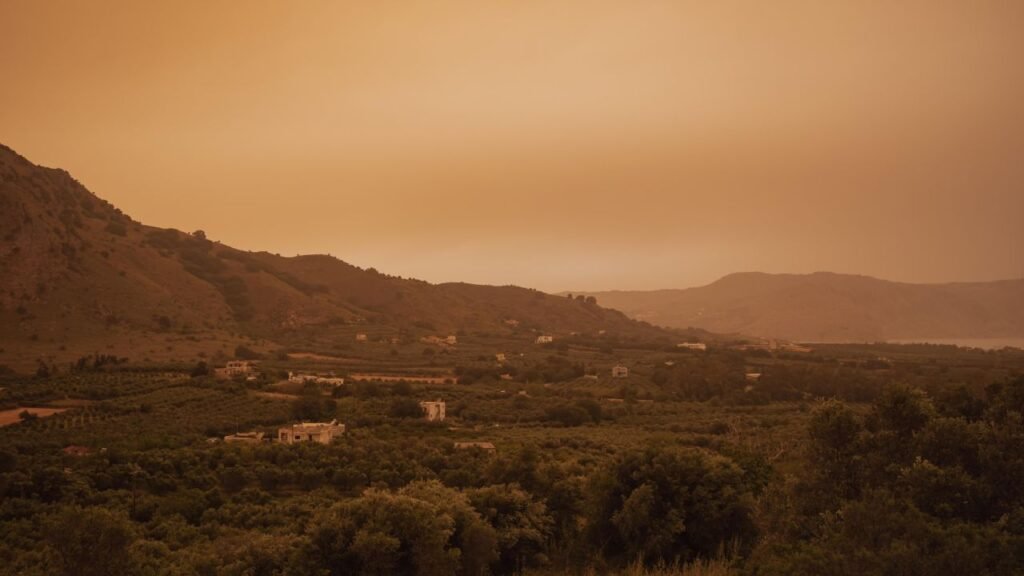
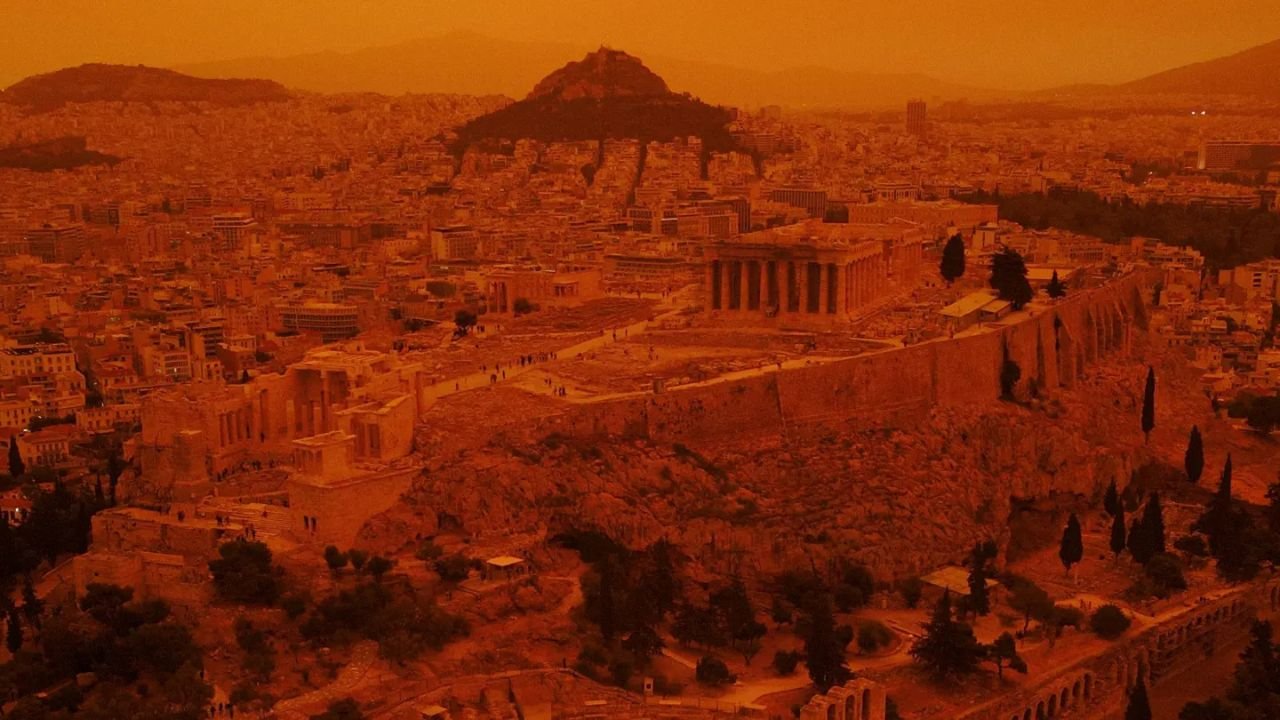
Recently, residents of Greece were left stunned as the sky turned a deep red, resembling scenes from Mars. Photos and videos quickly went viral across social media, sparking curiosity worldwide. But what caused this unusual phenomenon?
Scientists confirm that the Greece red sky is a natural atmospheric event caused by dust particles traveling thousands of kilometers.
What Happened in Greece?
In early 2026, several cities across Greece experienced a sudden transformation in the sky’s color. Instead of the usual blue, the sky appeared bright red and orange.
Many described it as “Mars on Earth” due to its intense and surreal appearance. While it looked mysterious and even alarming to some, experts explain that it was completely natural.
The Science Behind the Red Sky
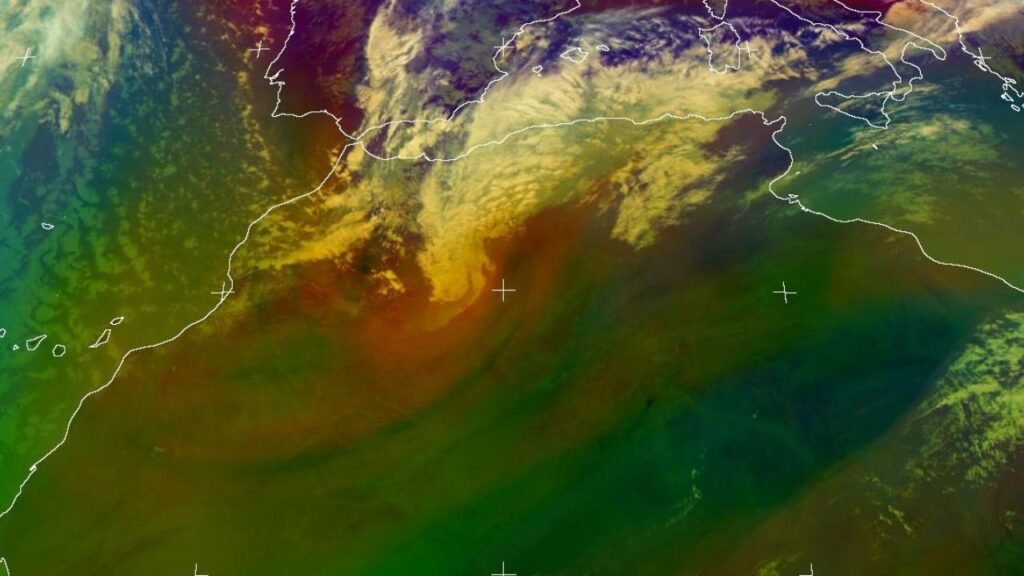
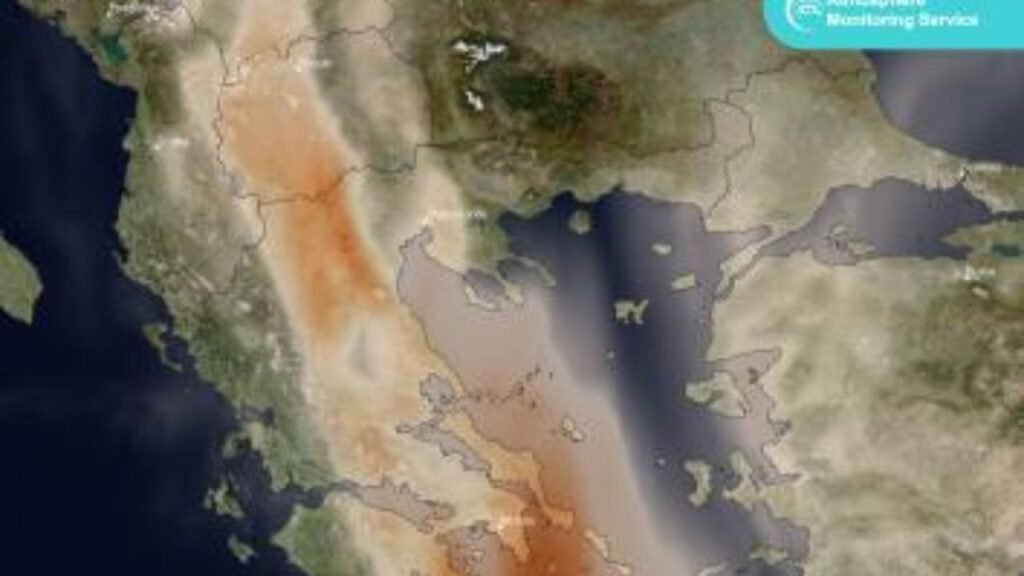
The main cause of the red sky was Sahara Desert dust carried by strong winds across the Mediterranean.
Here’s how it works:
- Powerful winds lift fine dust particles from North Africa
- These particles travel long distances into Europe
- When they reach Greece, they mix with the atmosphere
- Dust particles scatter sunlight differently than normal air molecules
Normally, the sky looks blue because shorter blue wavelengths scatter more. But when larger dust particles are present:
- Blue light scattering is reduced
- Red and orange wavelengths become dominant
This creates the dramatic red sky effect.
How Often Does This Happen?
This phenomenon is not entirely rare.
- Sahara dust reaches Greece 7 to 20 times per year
- Most events cause light haze or yellowish skies
- Only strong dust storms create a deep red sky
That’s why the 2026 event stood out and gained global attention.
Is the Greece Red Sky Dangerous?
The red sky itself is not dangerous, as it is caused by natural dust not pollution.
However:
- High dust levels can reduce air quality
- People with asthma or respiratory issues may feel discomfort
- Experts advise staying indoors during heavy dust events
For most people, it is safe to enjoy the view.
Why Did It Go Viral?
The event spread rapidly online due to its dramatic visuals.
Popular reactions included:
- “Mars on Earth!”
- “This looks unreal!”
- “Is this the end of the world?”
Its rare beauty and unusual color made it a trending topic globally.
Similar Events in Other Countries
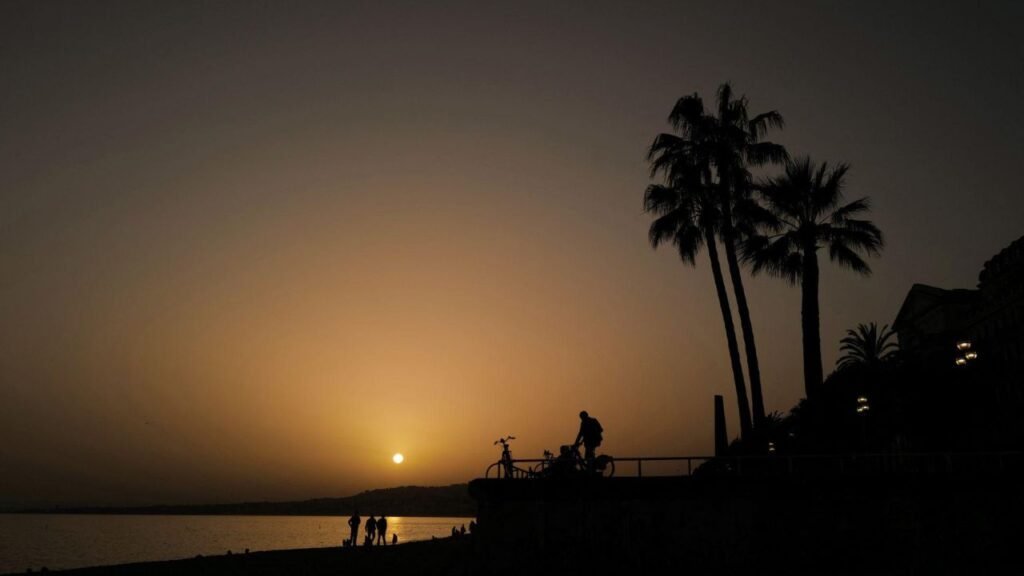
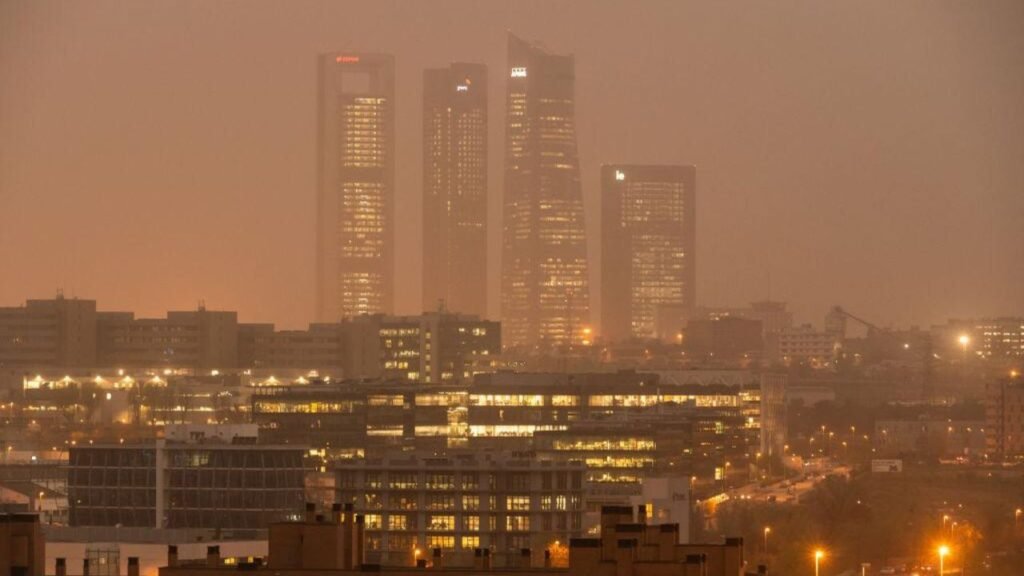
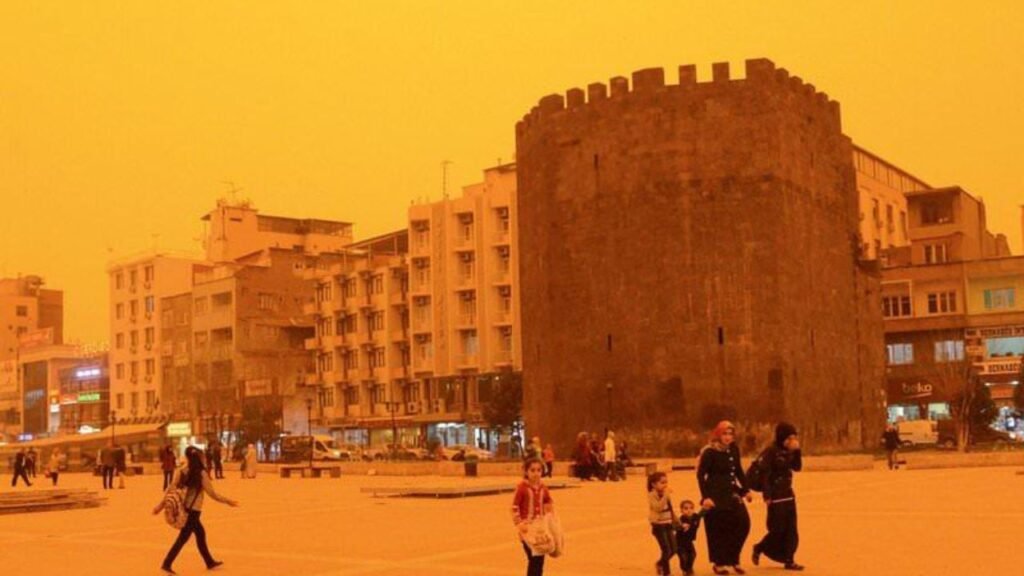
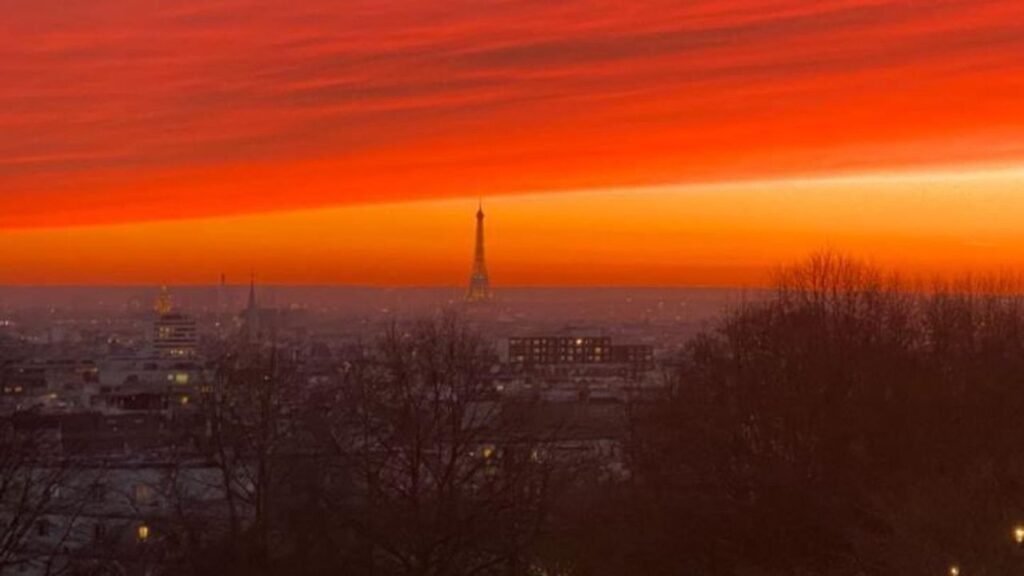
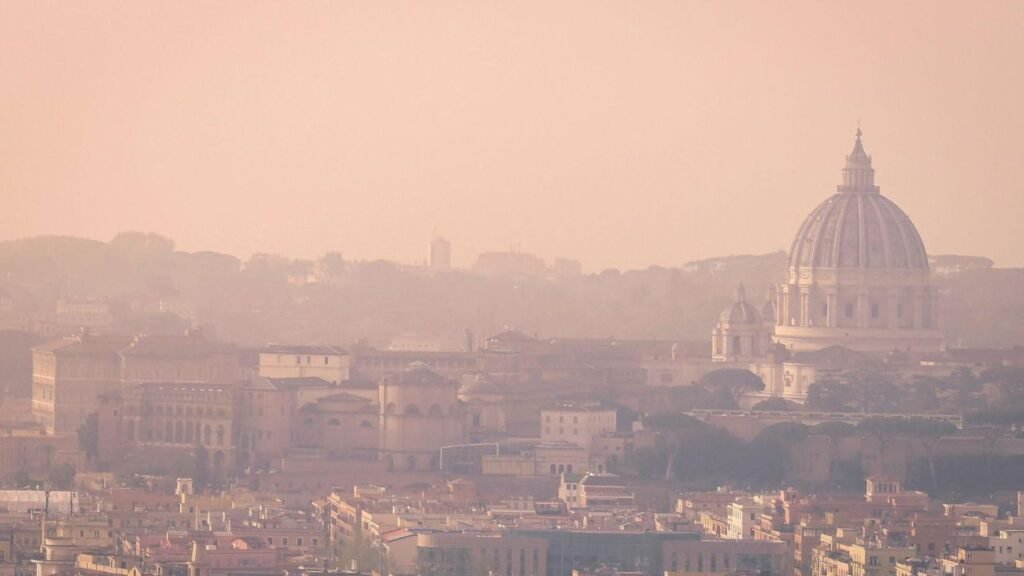
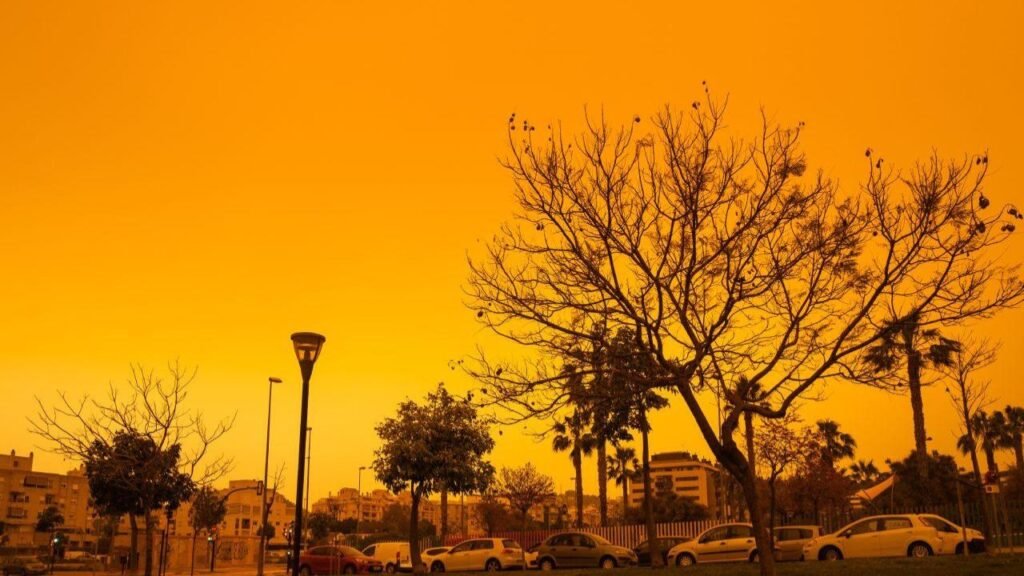
This phenomenon is not limited to Greece. Other countries have experienced similar events:
- Spain – Red skies during Sahara dust storms
- Italy – Orange skies in cities like Rome
- France – Yellow or hazy skies
- Turkey – Occasional red orange skies
These events highlight how global weather systems are interconnected.
Interesting Facts About the Red Sky
- Most common in spring due to stronger winds
- More visible during sunrise and sunset
- Loved by photographers for its dramatic effect
- Caused by natural desert dust, not pollution
What Can We Learn From This?
The Greece red sky shows how powerful and connected nature truly is. Dust from the Sahara Desert can travel thousands of kilometers and transform the sky in Europe.
Understanding the science behind such events helps reduce fear and allows people to appreciate nature’s beauty.
Conclusion
The Greece red sky is a fascinating natural phenomenon caused by Sahara dust affecting how sunlight scatters in the atmosphere. While dust events happen multiple times each year, the intense red sky seen in 2026 was rare and remarkable.
Next time you see a red sky, remember it’s not something to fear, but a reminder of how interconnected our planet really is.
Sources & References:
For more information, you can explore reports from NASA, BBC News, and Reuters on Sahara dust and atmospheric phenomena.
Sources & Further Reading
- Learn more about dust storms and their global impact from
NASA
