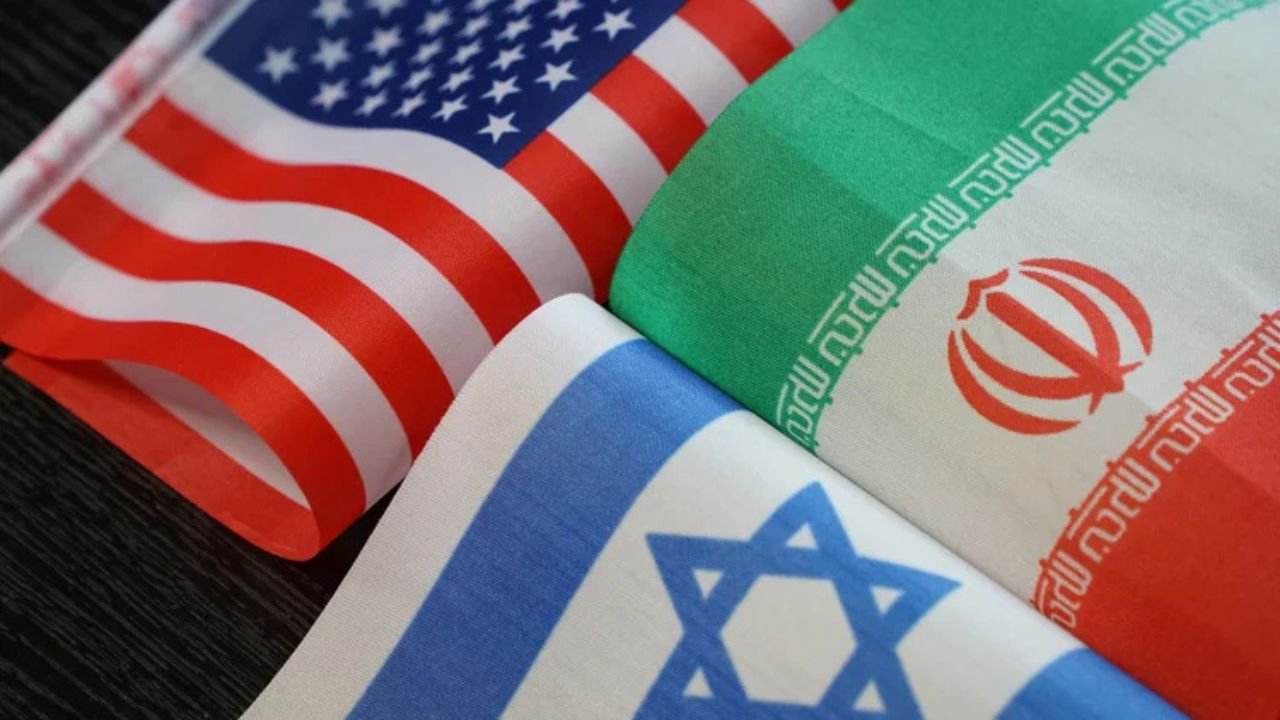
Causes, Latest Updates and Global Impact
Table of Contents
Introduction
The Israel Iran US War 2026 has become one of the most discussed geopolitical crises in recent years. Rising tensions between Israel and Iran had already been building for decades, but recent military actions and strategic responses have brought the United States into the situation more directly. As the conflict continues to develop, governments, analysts, and international organizations are closely monitoring the situation because of its potential impact on regional stability, global security, and economic markets.
According to international reporting from major outlets such as BBC and Reuters, the current situation reflects a combination of long-standing rivalries, regional security concerns, and global political interests. This article explains the background of the conflict, the latest developments, and what the possible outcomes could be.
Background of Israel Iran Tensions
The relationship between Israel and Iran has been tense for many years. Before 1979, the two countries had diplomatic relations. However, after the Iranian Revolution, Iran adopted a political stance that strongly opposed Israel’s policies in the Middle East.
Over time, several key issues contributed to rising tensions:
- Iran’s nuclear program
- Israel’s concerns about regional security
- Conflicts involving allied groups in the Middle East
- Strategic influence in countries such as Syria and Lebanon
Israel has repeatedly stated that it views Iran’s nuclear development as a serious security threat. Iranian officials, on the other hand, maintain that their nuclear program is intended for peaceful purposes.
These disagreements have led to years of indirect conflict, cyber operations, and diplomatic disputes, often described by analysts as a “shadow conflict.”
What Triggered the 2026 Conflict
The Israel Iran US War 2026 did not begin suddenly. It developed through a series of escalating events that gradually increased tensions across the region.
According to international news reports, the situation intensified after a series of military strikes targeting strategic locations linked to Iranian infrastructure. These operations were described by analysts as attempts to slow or disrupt military capabilities that were viewed as potential threats.
Following the strikes, Iran responded with missile and drone launches aimed at strategic targets connected to Israeli and allied military positions. This exchange of attacks significantly raised concerns that the conflict could expand into a larger regional war.
Security experts quoted by global media outlets say that the rapid escalation was the result of both sides attempting to demonstrate deterrence while avoiding a full scale war.
Role of the United States in the Conflict
The United States has historically been a strong ally of Israel and maintains significant military presence in the Middle East. Because of this strategic partnership, the United States became involved in the conflict through security cooperation and regional defense operations.
Reports from international media organizations indicate that the United States has focused on several key objectives:
- Protecting regional stability
- Supporting allied security
- Preventing further escalation
- Securing important trade routes
Military analysts say the presence of American forces in the region also serves as a deterrent against wider conflict. At the same time, US officials have repeatedly emphasized the importance of diplomatic solutions and de-escalation.
Statements from government representatives reported by BBC highlight that the United States aims to balance security commitments with efforts to avoid a broader regional war.
Iran’s Response and Strategic Position
Iran has described its actions as defensive responses to military strikes and regional threats. Officials have stated that their strategy is aimed at protecting national sovereignty and maintaining regional influence.
Iran’s military response has included:
- Missile launches
- Drone operations
- Strategic warnings to opposing forces
Defense experts interviewed by global news outlets suggest that Iran’s approach combines military signaling with diplomatic messaging. By demonstrating capability while communicating political objectives, Iran seeks to strengthen its position in negotiations and regional politics.
At the same time, Iranian leaders have warned that continued military pressure could lead to wider regional instability.
Impact on the Middle East Region
One of the biggest concerns surrounding the Israel Iran US War 2026 is its potential impact on the wider Middle East. The region already faces complex political challenges, and additional military escalation could affect several countries.
Security analysts highlight several possible regional consequences:
Increased Military Tensions
Neighboring countries may strengthen military defenses or adjust strategic alliances in response to the conflict.
Risk of Regional Expansion
Conflicts involving multiple regional actors could expand if diplomatic solutions are not found.
Humanitarian Concerns
Any large scale military escalation could increase risks for civilian populations in affected areas.
International organizations have called for restraint and dialogue to reduce the possibility of further conflict.
Global Economic Impact
Beyond the Middle East, the conflict has the potential to influence global economic conditions. One of the most sensitive areas is the international energy market.
The Middle East plays a major role in global oil supply, and disruptions in the region can affect energy prices worldwide.
Economic experts say that uncertainty related to the conflict may influence:
- Oil and gas prices
- Shipping routes in the Gulf region
- International financial markets
According to economic analysis reported by Reuters, even limited military tensions in this region can create volatility in global markets because of the strategic importance of energy trade routes.
International Reactions
Countries around the world have responded to the situation with calls for caution and diplomacy. Governments and international organizations have expressed concern about the possibility of wider conflict.
Several diplomatic efforts have focused on encouraging dialogue between the parties involved.
Global reactions have generally included:
- Calls for immediate de-escalation
- Diplomatic negotiations
- Support for international mediation
International observers emphasize that diplomacy remains one of the most important tools for preventing the conflict from expanding further.
What Could Happen Next
Predicting the future of the Israel Iran US War 2026 remains difficult because the situation continues to evolve. However, experts often discuss several possible scenarios.
Diplomatic De-escalation
Negotiations and international mediation could help reduce tensions and prevent further military actions.
Continued Strategic Confrontation
Both sides may continue limited military actions while avoiding full scale war.
Broader Regional Conflict
If escalation continues, more countries or groups could become involved.
Most analysts agree that the actions taken by political leaders and international mediators in the coming months will play a major role in shaping the outcome.
Conclusion Israel Iran US War 2026
The Israel Iran US War 2026 reflects complex political, military, and strategic dynamics that have developed over many years. While recent events have increased tensions in the Middle East, the long term outcome remains uncertain.
International news organizations such as BBC and Reuters continue to report on the situation as it develops, highlighting both military actions and diplomatic efforts. Many global leaders emphasize that dialogue and negotiation are essential for preventing further escalation.
As the world watches the situation closely, the decisions made by governments, diplomats, and international institutions will likely determine whether the conflict moves toward resolution or further confrontation.
“This article is based on publicly available reporting from international news organizations including BBC, Reuters, and AP.”
Sources and References
For readers who want to explore more details about the Israel Iran US War 2026, the following international news sources provide verified reporting and ongoing updates:
- BBC News – Middle East Coverage
- Reuters – Israel and Iran Conflict Updates
- Al Jazeera – Middle East News
- The Associated Press – Global Security News
- United Nations News – International Peace and Security
