Table of Contents
Introduction
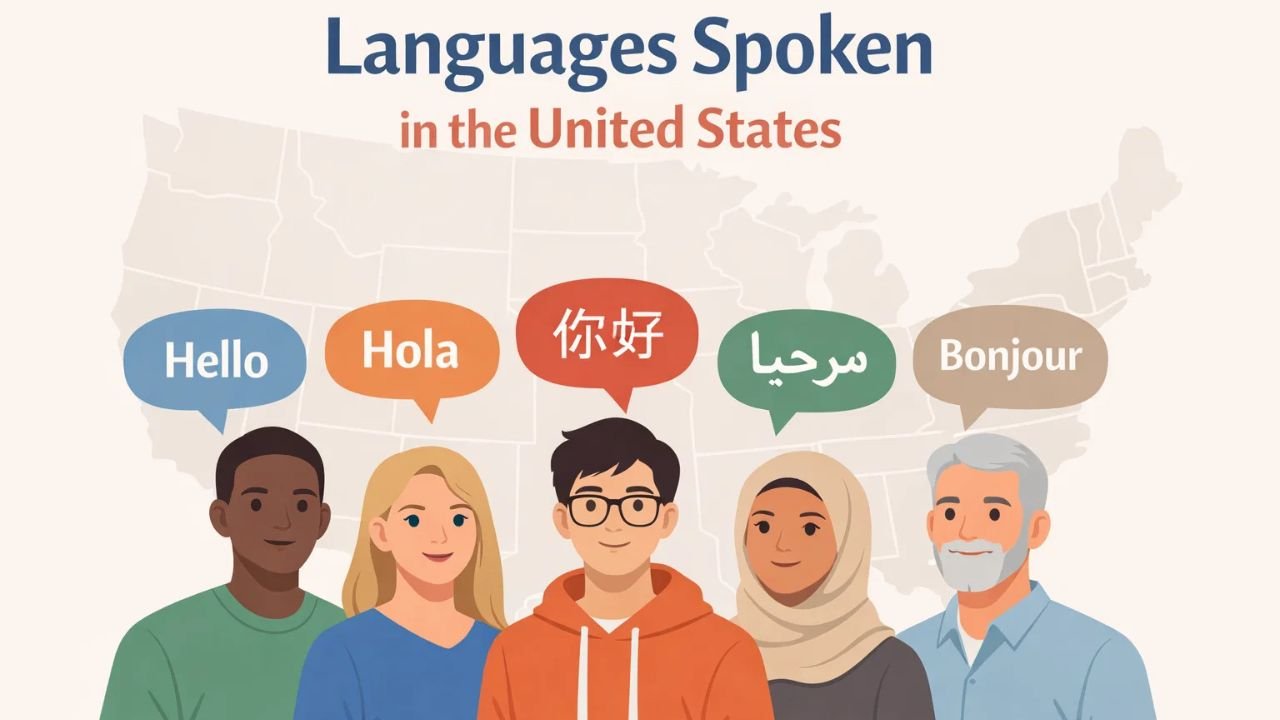
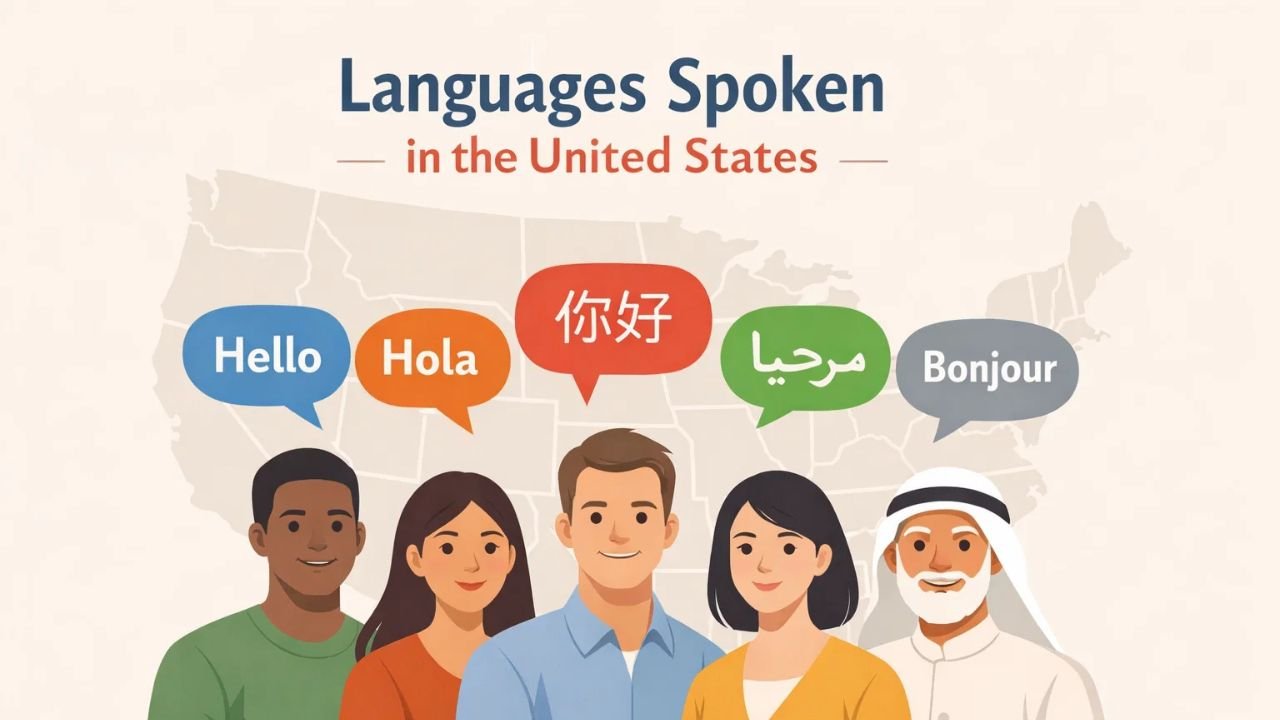
The languages spoken in the United States reflect the country’s rich history of immigration, cultural diversity, and freedom of expression. Many people assume that English is the only language Americans speak, but the reality is far more diverse. Millions of people across the U.S use different languages at home, in communities, and at work every day.
One major reason for this diversity is that the United States does not enforce a single national language at the federal level. This unique approach has allowed multiple languages to grow naturally over time. Understanding the languages spoken in the United States helps explain American society, culture, and identity in a deeper way.
Why the Languages Spoken in the United States Are So Diverse
The languages spoken in the United States are diverse mainly because the country was built by immigrants. From the very beginning, people arrived from Europe, Africa, Asia, and Latin America, bringing their languages with them.
Another important factor is that the U.S has no official language, which means people are free to speak and preserve their native languages without legal restriction. This policy has played a major role in shaping America’s multilingual environment.
English: The Most Spoken Language in the United States
When discussing the languages spoken in the United States, English clearly stands at the top. It is the most widely spoken language and the primary language of:
- Government communication
- Education
- Business
- Media and entertainment
Although English dominates public life, it is important to note that it became common due to historical and social factors, not because of any federal law. The dominance of English developed naturally rather than through enforcement.
Spanish: The Second Most Spoken Language in the United States
Spanish is the second most common language among the languages spoken in the United States. Tens of millions of Americans speak Spanish at home, especially in states like:
- California
- Texas
- Florida
- New York
Spanish influence in the U.S comes from both historical roots and modern immigration. In many cities, Spanish is widely used in schools, healthcare, media, and local businesses.
Other Common Languages Spoken in the United States
Beyond English and Spanish, many other languages contribute to the linguistic diversity of the U.S Some of the most spoken include:
Chinese Languages
Mandarin and Cantonese are widely spoken in major urban areas, especially among Asian-American communities.
Tagalog
Tagalog is commonly spoken by Filipino Americans, particularly in California and Hawaii.
Vietnamese
Vietnamese communities across the U.S have helped make this language one of the most spoken non-European languages in America.
Arabic
Arabic-speaking populations have grown steadily due to immigration from the Middle East and North Africa.
French
French is spoken in parts of Louisiana and by immigrant communities from Africa and the Caribbean.
All these contribute to the expanding list of languages spoken in the United States.
Indigenous Languages in the United States
An often-overlooked part of the languages spoken in the United States is Indigenous languages. Long before European settlers arrived, Native American tribes spoke hundreds of distinct languages.
Although many Indigenous languages are endangered today, efforts are being made to preserve and revive them through education programs and cultural initiatives. These languages are a crucial part of America’s original identity.
Immigration and Its Impact on Languages Spoken in the United States
Immigration continues to shape the languages spoken in the United States. New waves of immigrants introduce new languages, dialects, and cultural traditions.
Unlike some countries that require strict language assimilation, the U.S allows linguistic diversity to exist alongside English. This balance helps immigrants integrate while maintaining their cultural identity.
Languages Spoken at Home in the United States
Many Americans speak a language other than English at home. This includes:
- First generation immigrants
- Second generation Americans
- Multilingual households
Speaking multiple languages at home has benefits such as better cognitive skills, stronger cultural connections, and improved global communication abilities.
Education and Language Diversity in the U.S
Because of the wide range of languages spoken in the United States, schools offer programs like:
- ESL (English as a Second Language)
- Bilingual education
- Language support services
These programs help students succeed academically while respecting linguistic differences. The education system plays a key role in managing language diversity without discrimination.
Economic and Cultural Benefits of Multiple Languages
The diversity of languages spoken in the United States provides several advantages:
- Stronger global business connections
- Better diplomacy and international relations
- Cultural richness in arts, food, and media
- Increased job opportunities for bilingual workers
Multilingualism makes the U.S more competitive in a globalized world.
Future of Languages Spoken in the United States
The future of the languages spoken in the United States points toward even greater diversity. Immigration, globalization, and digital communication continue to introduce new languages and revive interest in multilingualism.
English will likely remain dominant, but other languages will continue to grow alongside it, shaping the evolving American identity.
U.S Census Bureau
According to the U.S. Census Bureau, millions of Americans speak a language other than English at home, highlighting the linguistic diversity of the United States.
Pew Research Center
A study by the Pew Research Center shows that the number of people speaking non-English languages in the United States has increased significantly due to immigration and population growth.
Conclusion
The languages spoken in the United States tell the story of freedom, immigration, and cultural coexistence. From English and Spanish to Indigenous and immigrant languages, linguistic diversity is a defining feature of America.
This diversity exists largely because the U.S has no official language, allowing languages to thrive naturally without government control. Rather than weakening unity, this approach has strengthened the nation by promoting inclusion, opportunity, and cultural exchange.
FAQs
Q1: What are the main languages spoken in the United States?
English and Spanish are the most common, followed by Chinese, Tagalog, Vietnamese, Arabic, and French.
Q2: Why are so many languages spoken in the United States?
Because of immigration, cultural diversity, and the absence of a federally mandated official language.
Q3: Is English the official language of the U.S?
No. English is the most spoken language, but it is not officially declared at the federal level.