Table of Contents
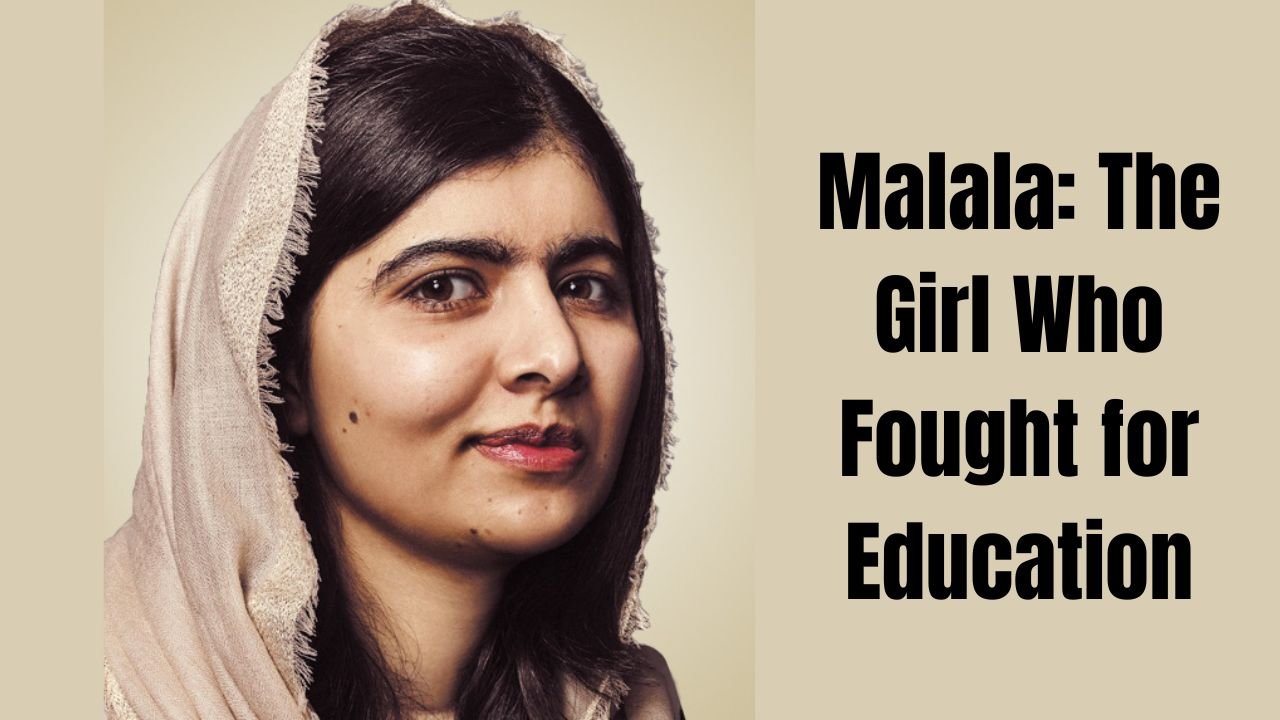
Malala is one of the most influential education activists of the 21st century. Known worldwide for her courage, resilience, and unwavering commitment to girls’ education, Malala Yousafzai’s story is both inspiring and deeply emotional. From her childhood in Pakistan’s Swat Valley to surviving a brutal attack and becoming a global voice for women’s rights, Malala’s life is a powerful example of how one young girl can change the world.
This detailed biography explains Malala’s early life, rise to activism, Taliban attack, global recognition, achievements, and her mission today.
Early Life of Malala
Malala Yousafzai was born on July 12, 1997, in Mingora, Swat Valley, Pakistan. She grew up in a small yet vibrant town surrounded by mountains, rivers, and a strong Pashtun culture. Even as a child, Malala was curious, intelligent, and confident qualities that were strongly encouraged by her father, Ziauddin Yousafzai, an educator and social activist.
Her father ran a school and firmly believed that every child, especially every girl, deserved an education. Malala spent her early years reading books, attending school, and dreaming of becoming a doctor or political leader. She often watched her father speak passionately about education rights, which played a major role in shaping Malala’s mindset.
Swat Valley Under Taliban Rule
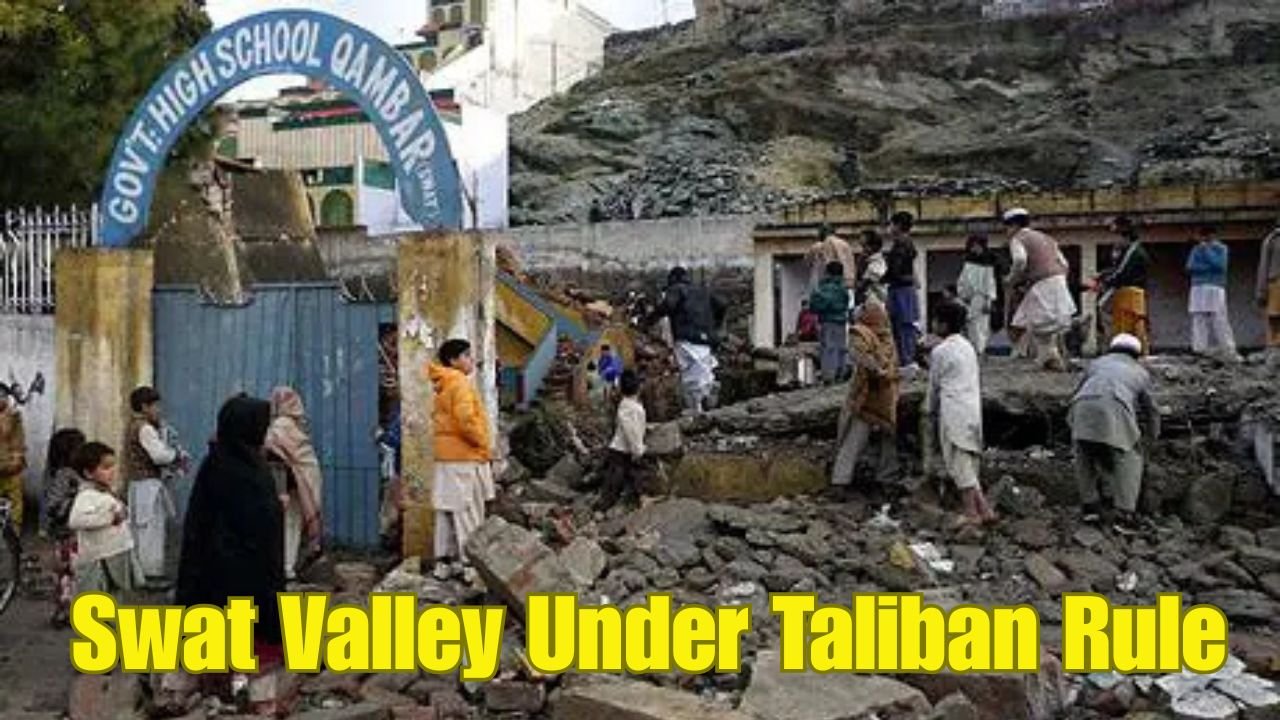
Everything changed when the Taliban began taking control of parts of Swat around 2007. The region that was once filled with tourists, schools, and peaceful communities suddenly faced fear and violence. Music was banned, women were told to stay home, and most shockingly, girls’ education became a target.
Malala witnessed schools being burned, teachers being threatened, and families being forced to stop sending their daughters to school. At this young age, Malala realized that education was not just a privilege it was freedom.
Malala’s Rise to Activism
In 2009, when Malala was only 11 years old, she secretly started writing a blog for BBC Urdu under the name “Gul Makai” Through this blog, Malala described her daily life under the Taliban, her fear of losing school, and her hopes for a brighter future. Her blog became a powerful voice against extremism.
Some key things she wrote about:
- The fear of walking to school
- Watching classmates quit education
- The courage to continue studying despite risks
- Her dreams of becoming educated and empowered
Her identity was later revealed, and she began appearing in interviews and documentaries, becoming the young face of girls’ education in Pakistan.
The Taliban Attack on Malala
On October 9, 2012, Malala’s life changed forever. While returning home from school in a bus, a Taliban gunman boarded the vehicle and asked, “Who is Malala?” Moments later, he fired at her, striking her in the head.
The attack shocked the entire world. Malala was airlifted to a hospital in Pakistan and then transferred to the United Kingdom for advanced medical treatment. Doctors worked tirelessly to save her life, and after multiple surgeries, Malala survived a miracle that turned her into a global symbol of bravery.
Malala’s Global Recognition
After recovering, Malala refused to remain silent. Instead, she became stronger and more determined to fight for girls’ rights. She co-founded the Malala Fund, a global organization that supports education projects in multiple countries, including Pakistan, Afghanistan, Brazil, Nigeria, Ethiopia, and India.
In 2013, Malala delivered a historic speech at the United Nations, saying:
“One child, one teacher, one book, and one pen can change the world.”
Her speech attracted worldwide praise and turned her into a global ambassador for peace and education.
Nobel Peace Prize Winner
In 2014, Malala became the youngest Nobel Peace Prize winner in history, at just 17 years old. She shared the award with Kailash Satyarthi, an Indian activist working against child labor.
The Nobel Prize wasn’t just an honor it was recognition of her courage, her sacrifices, and her mission. The award solidified Malala’s standing as one of the most influential voices in global education.
Education and Life in the United Kingdom
Malala continued her studies in the UK, completing her schooling and later earning a degree in Philosophy, Politics, and Economics (PPE) from the University of Oxford. Despite living abroad, she often speaks about her Pakistani identity, her love for Swat Valley, and her wish to see peace return someday.
Even during her university years, Malala continued her activism, meeting world leaders, speaking at global events, and supporting policies that promote education for girls.
Malala’s Books: Stories That Changed the World
Malala’s journey didn’t end with speeches and awards. She carried her voice onto the pages of books that travelled far beyond borders. Through her writing, Malala lets readers walk beside her through the valleys of Swat, the fear of conflict, and the hope she carries for every girl who dreams of school.
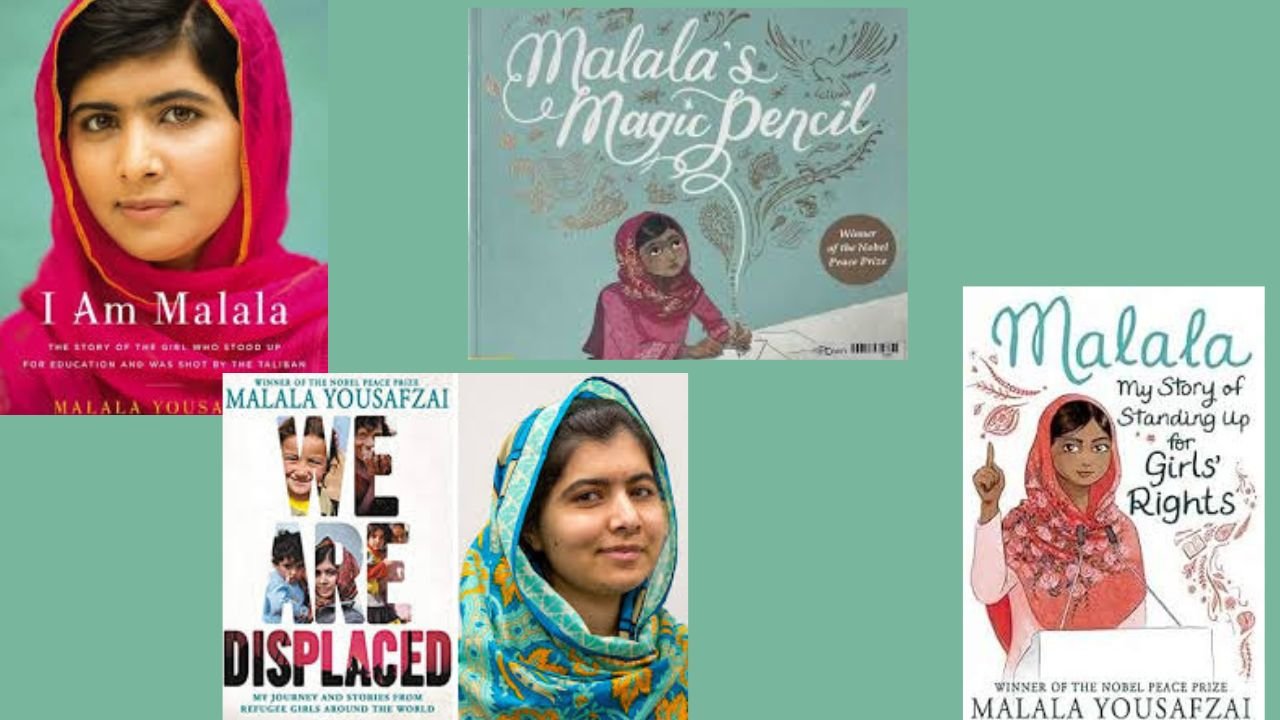
1. I Am Malala
The most famous of all her books, I Am Malala reads like a powerful, emotional journey. In this memoir, Malala takes you back to her childhood in Swat Valley its beauty, its culture, and its growing darkness under the Taliban.
She writes about her school days, her hopes, her fear, and the day she survived the attack that shocked the world.
This book turned Malala into a global inspiration and allowed millions to understand her courage from her own words.
2. We Are Displaced
In We Are Displaced, Malala shifts the spotlight from herself to the countless refugee girls whose stories often remain unheard.
She begins with her own experience of leaving Pakistan after the attack, then introduces brave young girls from around the world who fled war, disaster, and violence.
Each chapter feels like sitting across from someone telling you the story of the hardest day of their life and how they survived it.
It’s a book filled with heartbreak, strength, and a reminder of why Malala fights for every girl’s right to education and safety.
3. Malala’s Magic Pencil
This children’s book is simple, warm, and full of imagination.
Malala writes about her childhood dream of owning a magic pencil—one that could erase poverty, clean the streets, and bring peace to her valley.
Through colorful illustrations, she shows young readers that change doesn’t always need magic. sometimes, it only needs a voice.
The book encourages children to believe in themselves and to dream fearlessly.
4. Malala: My Story of Standing Up for Girls’ Rights
This is a shorter, easy to read version of Malala’s life story, written especially for teens and school students.
It covers her early years, the growing threats in Swat, and her decision to stand up for education even when it was dangerous.
The tone is simple, honest, and inspiring perfect for younger readers who want to understand Malala’s courage in a relatable way.
Malala’s Work Through the Malala Fund
The Malala Fund focuses on:
- Rebuilding schools destroyed by conflict
- Supporting female teachers
- Providing scholarships for girls
- Promoting digital and STEM education
- Raising awareness about education inequality
The Fund’s mission is simple:
Every girl deserves access to 12 years of safe, quality education.
Through this organization, Malala has helped thousands of girls return to school and has brought international attention to countries facing educational crises.
Malala Today
Today, Malala is a global icon. She continues to speak out on issues like:
- Girls’ education
- Women’s rights
- Peace and conflict
- Refugee rights
- Equal opportunities for all
She writes books, appears in documentaries, and engages millions of followers through her speeches and social media. Despite her fame, Malala remains humble, often reminding people that she is just “a girl who fights for education.”
Why Malala Matters
Malala is not just a survivor she is a symbol of hope. Her story teaches us:
- Courage can defeat fear.
- Education is powerful.
- One voice can spark global change.
- Age does not limit impact.
Her bravery continues to inspire millions of people around the world, especially young girls who dream of a better future.
Conclusion
Malala’s life is a remarkable journey from a schoolgirl in Swat to one of the world’s most respected human rights activists. Despite facing threats, violence, and unimaginable challenges, she never gave up on her dream of educating girls. Today, Malala stands as a reminder that even in the darkest moments, courage and education can light the way forward.
Resource Links
If you want to learn more about Malala’s activism, education projects, and global influence, the following trusted resources provide verified information:
- Malala Fund – Official Website: https://malala.org
- Nobel Prize – Malala’s Award Details: Nobel Prize – Malala’s Award
- UNICEF – Girls’ Education Overview: https://www.unicef.org
- United Nations Malala’s UN Speech: United Nations – Malala’s UN Speech:
- BBC News – Malala Profile: https://www.bbc.com/news/
