Table of Contents
Introduction: A Silent Emergency in the US
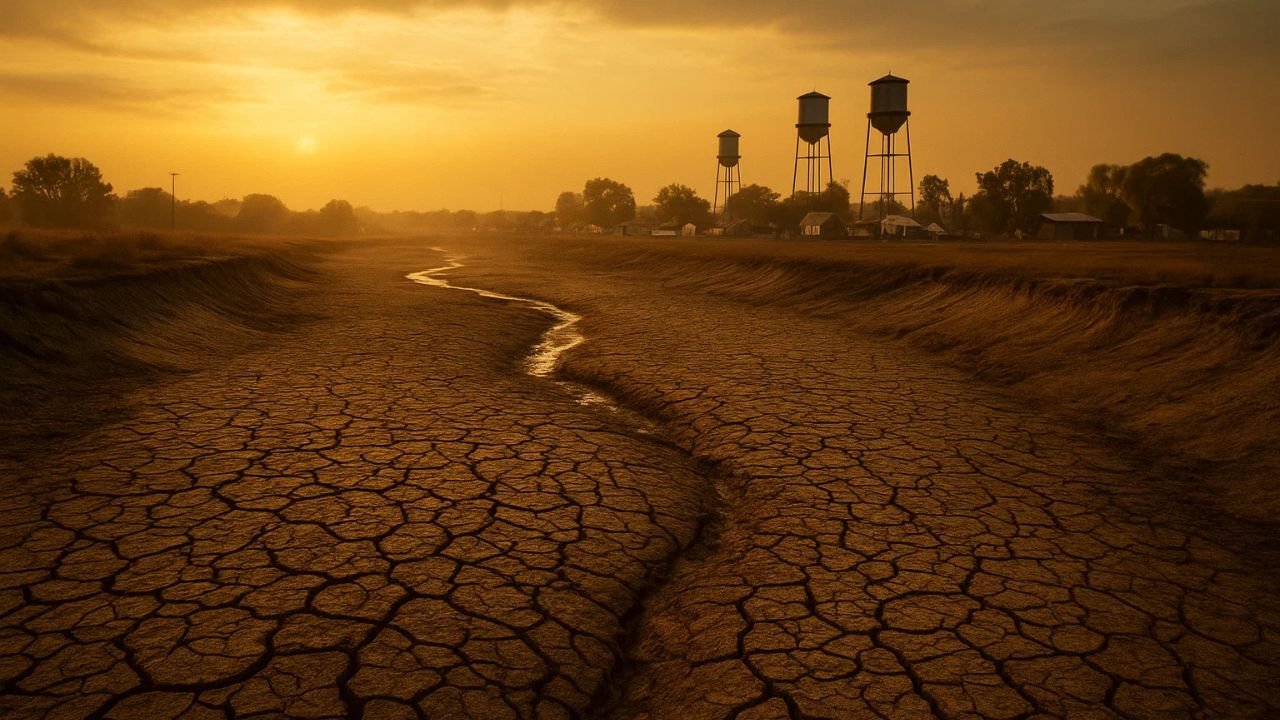
The US water crisis is no longer a problem of the future it’s happening right now. While cities often grab headlines for droughts or shortages, the real struggle is unfolding in small towns across America. From rural communities in California to farming towns in the Midwest, millions of Americans are facing contaminated wells, dried-up reservoirs, and outdated water systems.
The question is simple but urgent: why are small towns in the US running out of drinking water, and what can be done to fix it?
What Is the US Water Crisis?
The US water crisis refers to the growing challenge of providing safe, clean, and reliable drinking water to communities. While the United States is one of the wealthiest nations in the world, it still struggles with:
- Aging infrastructure (pipes, treatment plants, wells).
- Pollution from industries and farms.
- Overuse of groundwater.
- Rising demand due to population growth and climate change.
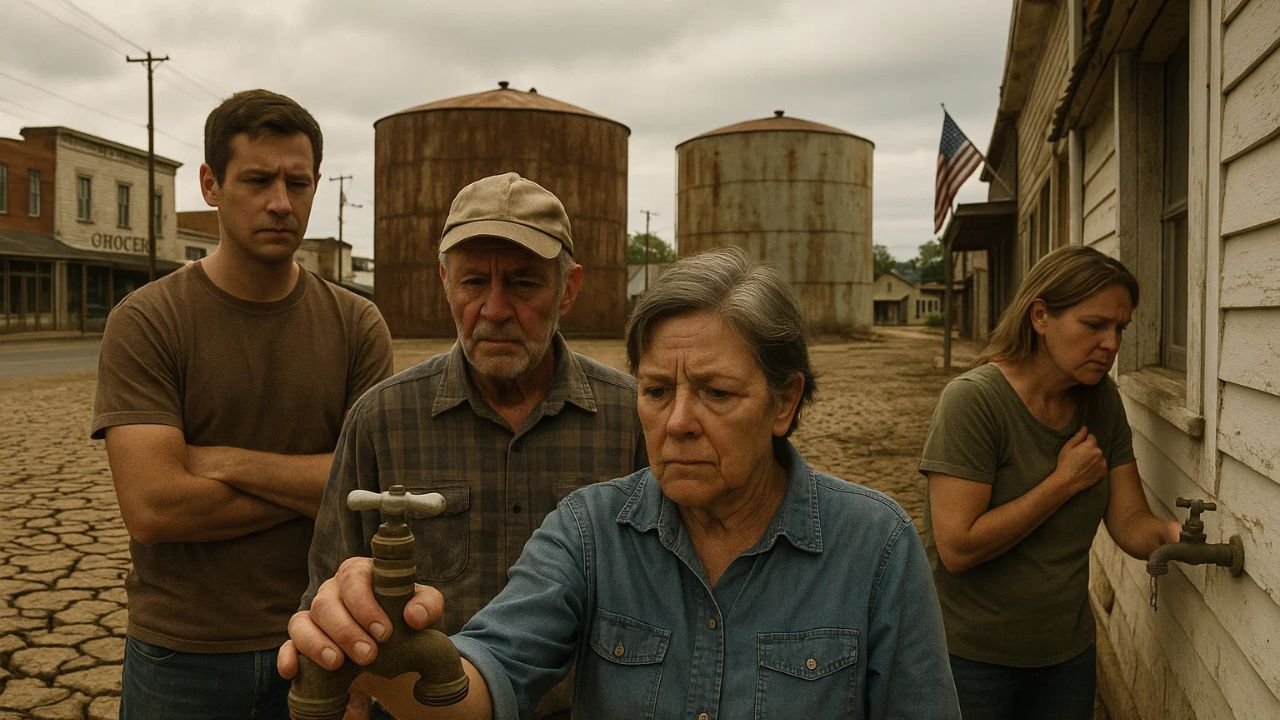
This crisis is especially severe in small towns, where local governments often don’t have the money or technology to fix failing water systems.
Why Small Towns Are Struggling the Most
1. Aging Water Infrastructure
Many small towns in the US rely on old pipes and wells built decades ago. These systems are now corroding, leaking, or breaking down. Unlike big cities that can afford upgrades, small communities often lack funding.
2. Groundwater Depletion
In rural areas, most drinking water comes from groundwater wells. But years of overpumping for farming and agriculture have caused water tables to drop. In places like Arizona and California’s Central Valley, wells are literally drying up.
3. Pollution and Contamination
Fertilizers, pesticides, and industrial chemicals often seep into groundwater. In towns near farms or factories, residents sometimes find nitrates, arsenic, or lead in their tap water. Flint, Michigan, became a famous example, but hundreds of small towns face similar contamination without national attention.
4. Climate Change and Droughts
The US water crisis is worsened by extreme weather. Droughts in the West, heatwaves across the Midwest, and unpredictable rainfall have reduced the availability of fresh water. Small towns with limited reservoirs or rivers are hit hardest.
5. Lack of Funding and Governance
Federal aid usually flows to larger cities. Small towns rely on local water boards or volunteer groups, which often lack resources and technical expertise. This leaves communities vulnerable to long-term shortages.
Real-Life Examples of the US Water Crisis
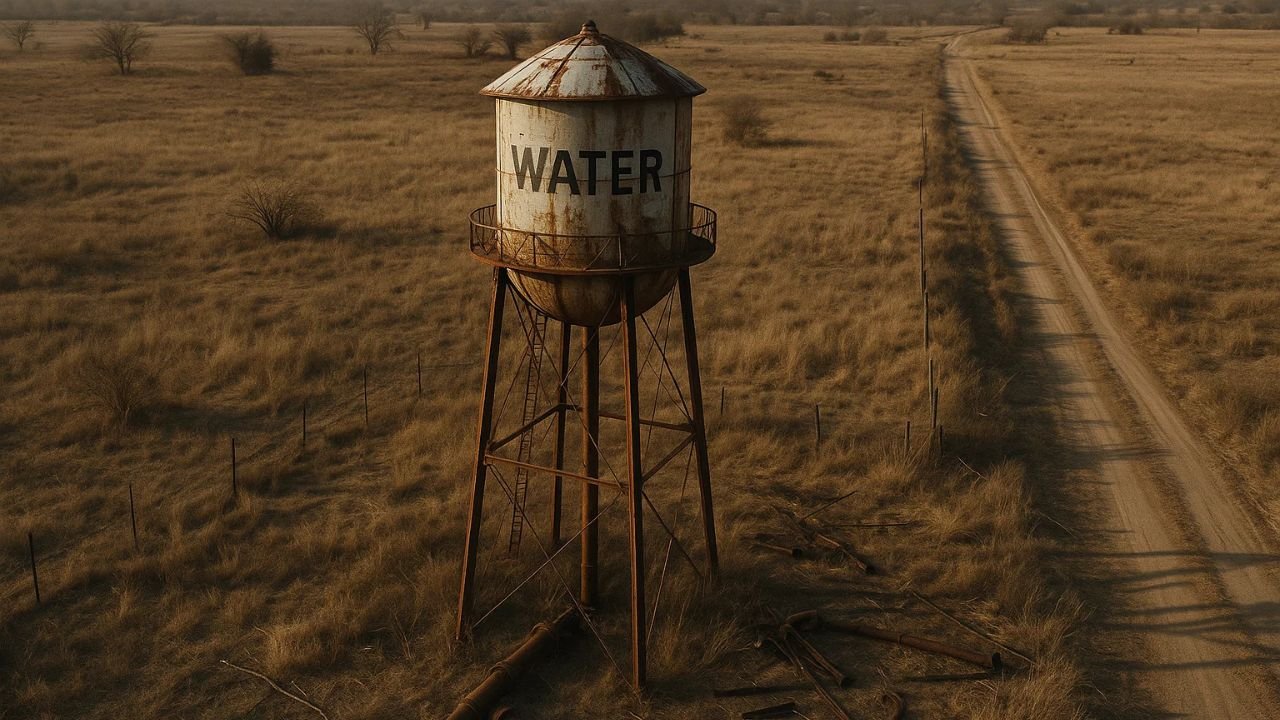
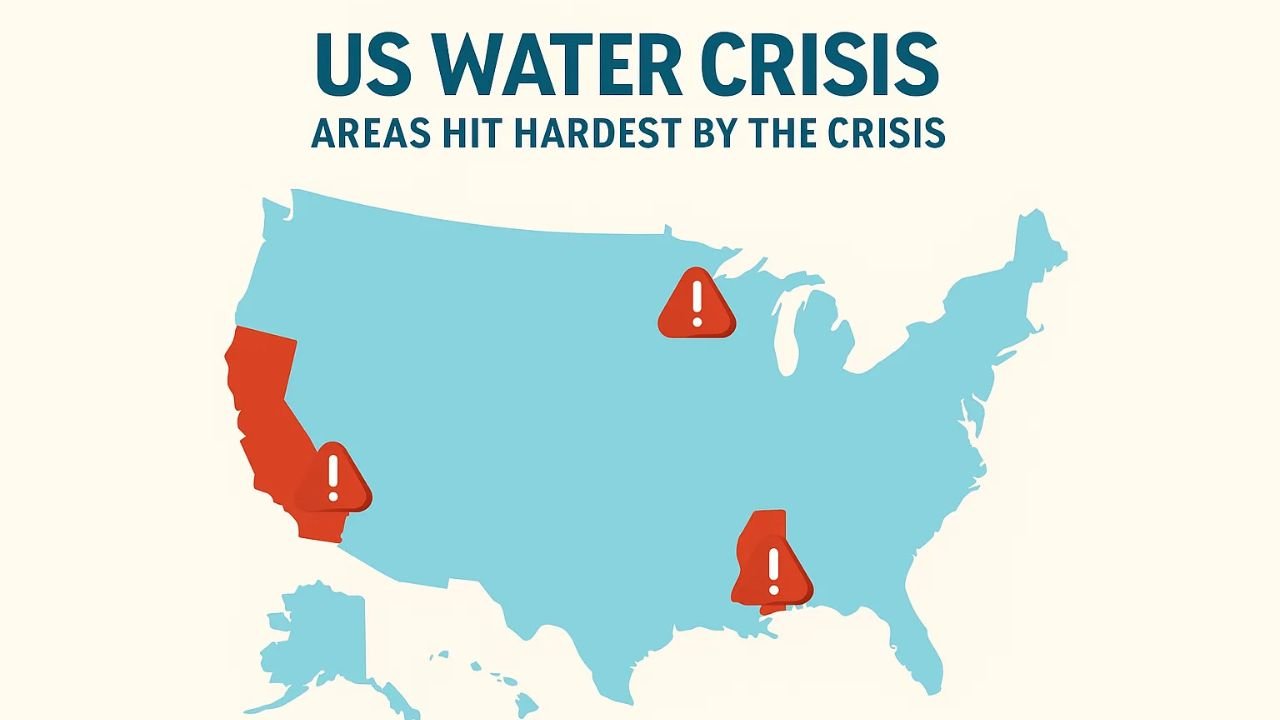
- California’s Central Valley: Farming towns here are running out of groundwater, forcing families to rely on bottled water donations.
- Jackson, Mississippi: A citywide water system collapse in 2022 left residents without clean water for weeks. Smaller towns face similar risks but with less media coverage.
- Midwestern Towns: High nitrate levels from fertilizers are making well water unsafe, particularly for infants and pregnant women.
These examples highlight how widespread yet underreported the US water crisis really is.
The Health Impacts of Unsafe Drinking Water
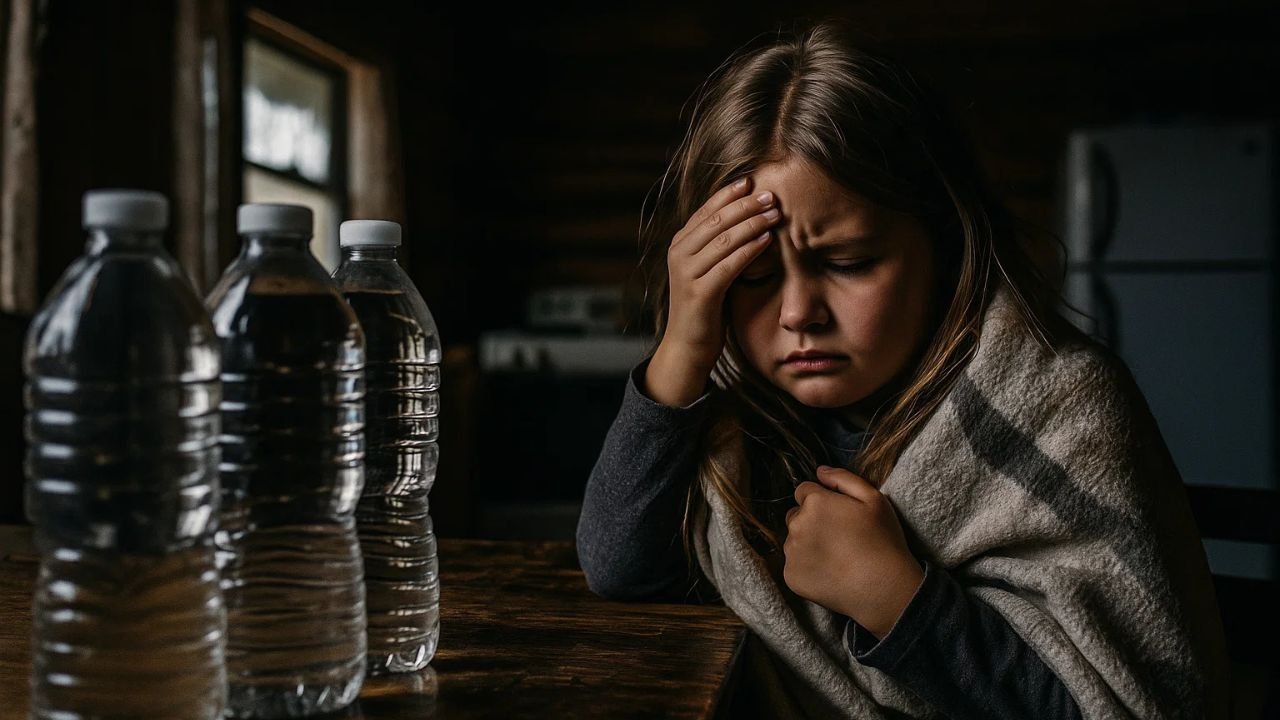
The crisis isn’t just about shortages; it’s also about safety. Contaminated water leads to:
- Gastrointestinal illnesses.
- Developmental issues in children (from lead and nitrates).
- Higher cancer risks (from industrial chemicals).
- Stress and mental health problems from constant water insecurity.
In many small towns, families spend hundreds of dollars monthly on bottled water just to avoid getting sick an expense they can’t always afford.
Government Response to the US Water Crisis
The federal government has acknowledged the US water crisis but progress is slow. Some programs include:
- Bipartisan Infrastructure Law (2021): Allocated billions for water system upgrades, but small towns often struggle to access these funds.
- USDA Water Programs: Provide grants and loans to rural communities.
- EPA Safe Drinking Water Act: Regulates contamination, but enforcement is uneven in small towns.
Even global publications are sounding the alarm. National Geographic has also reported on America’s looming water crisis, warning that millions of Americans could face shortages if action is not taken (read their full report here).
Many experts argue that the government must prioritize small communities, not just big cities, to truly solve the crisis.
Possible Solutions to the US Water Crisis
While challenges are big, solutions exist:
1. Federal and State Investment
Increased funding specifically targeted toward rural water systems is essential. Without outside help, small towns cannot modernize infrastructure.
2. Groundwater Management
States need stronger policies to prevent overpumping of aquifers. Sustainable farming and water recycling can help balance supply.
3. New Technology
Affordable water treatment systems, leak detection technology, and desalination in coastal areas could ease shortages.
4. Community Partnerships
Nonprofits, local governments, and residents must work together. Community-led monitoring and reporting can hold officials accountable.
5. Climate Resilience
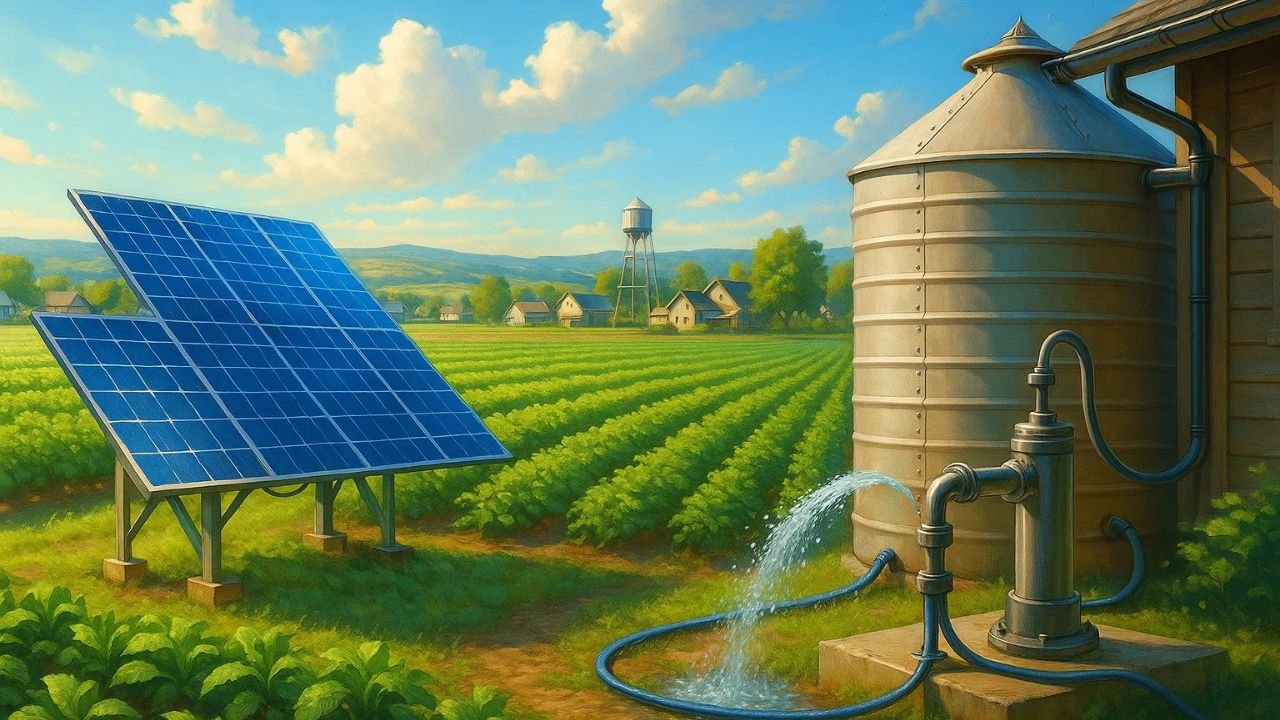
Building water storage systems, rainwater harvesting, and drought-resistant infrastructure will be critical for the future.
Why the US Water Crisis Matters to Everyone
Even if you live in a big city, the US water crisis affects you. Small towns produce much of America’s food supply from dairy to vegetables to grains. If they can’t access water, food prices will rise nationwide.
Moreover, water insecurity creates migration pressure, as families leave rural areas for cities, straining urban resources. In short, the US water crisis is not just a rural issue it’s a national one.
Conclusion: Can Small Towns Survive the US Water Crisis?
The US water crisis is one of the most urgent challenges of our time. For small towns, it means facing shortages, contamination, and the fear of taps running dry. While solutions exist — from better funding to smarter policies. the clock is ticking.
If America doesn’t act now, millions of people in small communities could be left behind, deepening inequality and threatening the nation’s future stability.
Water is not just a resource; it’s a lifeline. Solving the US water crisis isn’t optional . it’s essential.
